
Leak Detection Frequency Tips for Ongoing Home Safety
How Often Should You Check for Leaks?
There’s no single “perfect” schedule for every home, but a consistent cadence helps you catch problems before they become emergency leak repair situations. A good baseline for ongoing home safety is:
| Check Type | How Often | What You’re Looking For |
|---|---|---|
| Visual spot checks | Weekly | Drips, damp spots, water discoloration, and moisture around fixtures |
| Water meter awareness | Monthly | Unexplained meter movement that can indicate hidden water leak detection |
| Fixture and supply line inspection | Seasonally | Wear around valves, toilets, faucets, and areas affected by temperature swings |
| Professional plumbing diagnostics | As-needed (and after any major clue) | Underground leak detection, pipe leak repair needs, and leak location confirmation |
Quick Weekly Checks (10 Minutes or Less)
Weekly inspections are about catching early clues. Focus on the most common leak sources and the easiest-to-see indicators.
- Toilet base and supply line: Look for water around the floor, a damp ring, or sweating at the connection.
- Under-sink areas: Check cabinet floors for moisture from sink installation/repair points and drain connections.
- Visible pipes and shutoff valves: Scan for dampness, corrosion, or small drips near joints.
- Bathtub/shower and faucet areas: Watch for water pooling, grout deterioration, or slow drips.
- Listen and verify: With major appliances off, listen for running water sounds or clicking that suggests a leak.
Monthly Safety Routines for Hidden Water Leak Detection
Some leaks don’t show up as obvious drips. Monthly routines help you spot hidden water leak detection signals early.
1) Check the water meter (simple test)
- Turn off all water inside the home (no showers, no running toilets, no laundry).
- Wait long enough for normal usage to stop (typically 15–30 minutes).
- Watch the meter for movement. Any change can suggest a leak that may need plumbing leak detection.
2) Review your water use trends
Compare monthly usage to typical patterns. Sudden increases can indicate water line leak repair needs—even if you can’t see a leak.
3) Inspect common “quiet” leak zones
- Water heater area: Look for puddling, corrosion, or dampness around fittings.
- Water filter / filtration locations (if installed): Check housings and connection points for moisture.
- Foundation-adjacent spots: Watch for recurring dampness near exterior walls.
Seasonal Plumbing Inspections for Leak Repair Prevention
Weather changes can stress plumbing. Seasonal checks help reduce the chance of pipe leak repair becoming more complicated.
Spring / Summer
- Inspect outdoor hose bib connections and supply lines near landscaping.
- Check sprinkler and irrigation backflow-related areas for unexpected moisture paths.
- Examine any crawlspace or access points for dampness or moldy odors.
Fall / Winter
- Look for leaks around insulation gaps and areas near exterior walls.
- Confirm shutoff valves and supply connections are dry and functioning.
- Be aware of freeze-related stress that can contribute to hidden water leak detection and underground leak detection needs.
Signs You Need Professional Leak Detection Services
If you spot any of the following, you may need leak detection services—not just basic tightening or repairs.
- Water meter moves when no fixtures are running.
- Recurring damp spots on floors, ceilings, or around baseboards.
- Musty odors that suggest moisture behind walls or under flooring.
- Cracks in drywall or paint that appear where no plumbing lines should be.
- Low water pressure that changes over time.
- Hot/cold imbalance that may point to supply system issues.
- Slab-related clues like persistent moisture near concrete surfaces (possible slab leak detection needs).
What Professional Leak Detection Includes
Professional leak detection focuses on locating the source accurately so you can move to leak repair efficiently. Depending on your home and symptoms, leak detection may include:
- Plumbing system inspection and diagnostics to narrow down likely leak zones.
- Assessment for hidden water leak detection behind walls, under floors, or in hard-to-reach areas.
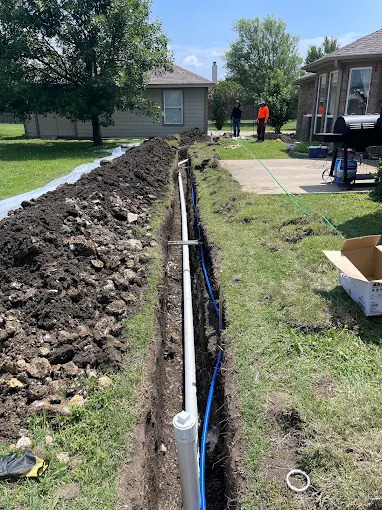
- Underground leak detection when the leak appears to originate below the surface.
- Slab leak detection support when moisture or cracking suggests issues under a concrete slab.
- Coordination with leak repair so the next step is clear and targeted.
Leak Detection vs. Leak Repair: Why Frequency Matters
Leak repair is only as effective as the leak location. That’s why frequency matters: earlier detection can reduce damage, lower the odds of repeated repairs, and help you avoid emergency leak repair situations.
| Stage | Goal | What Happens When You Wait |
|---|---|---|
| Leak Detection | Find the source of the problem | Hidden leaks can spread through materials, making the source harder to confirm |
| Leak Repair | Fix the problem correctly | Repairing the wrong area can lead to recurring issues and additional disruption |
Simple Record-Keeping That Helps Your Plumber
A few notes can speed up diagnostics. Keep a simple log of what you observe and when.
- Date and time: When you first noticed moisture, odor, or meter changes.
- Symptoms: Drips, damp drywall, ceiling spots, or running sounds.
- Water usage changes: Any spikes compared to typical monthly consumption.
- Location clues: Rooms affected, near which walls, or near which plumbing fixtures.
- Recent work: Any plumbing repairs, installations, or drain cleaning/jetting that happened before the issue.
FAQ About Leak Detection Frequency
How often should I schedule professional plumbing leak detection?
Many homeowners do weekly and monthly checks, then schedule professional leak detection when they notice meter movement, recurring dampness, water pressure changes, or higher bills. If you suspect hidden water leak detection or underground leak detection, it’s best not to wait.
What’s the difference between water leak detection and leak repair?
Water leak detection focuses on finding the leak source. Leak repair focuses on fixing the problem once the cause is confirmed. Mainline Plumbing can help coordinate both so the repair targets the right location.
Can a toilet leak cause higher water bills?
Yes. Even a small ongoing issue can add up over time. If you suspect a leaking toilet, consider toilet installation and repair support and request leak repair evaluation.
How do I know if I need underground leak detection?
If your water meter changes when nothing is running, but you can’t find visible leaks, you may need underground leak detection. This is especially likely when dampness appears in areas without obvious plumbing lines.
Is slab leak detection only for older homes?
Slab leaks can occur in many types of homes. If you see signs like recurring moisture near concrete surfaces or cracking, it’s smart to ask about slab leak detection and leak detection and repair.
Call Mainline Plumbing for Leak Detection Near Me
If you’re trying to decide whether your home needs leak detection services, start with the clues you’ve observed. Mainline Plumbing provides professional leak detection and leak repair support across Dallas-Fort Worth.
Need help now?
Call Mainline Plumbing at (817) 305-1313 for leak detection services, hidden water leak detection, underground leak detection, and leak repair planning.
Also helpful: if your issue is related to other plumbing components, explore services like drain cleaning and jetting, water heater installation, or water filtration.