
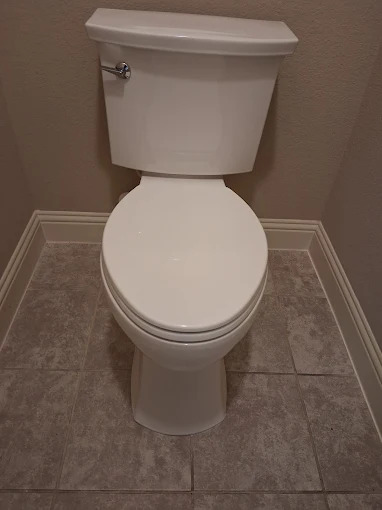
How Often Should You Schedule Toilet Repair Maintenance
Toilet issues rarely stay “just a little problem.” Scheduling maintenance can help prevent running toilets, leaks, clogs, and costly water damage. Here’s a practical schedule and what to watch for—so you know when to call Mainline Plumbing for toilet repair and plumbing diagnostics.
Table of Contents
Why toilet repair maintenance matters
Most homeowners don’t think about toilet maintenance until something goes wrong—like a toilet that keeps running, a weak flush, or water collecting around the base. But small problems can turn into larger ones by wasting water, damaging floors, and creating hidden leak risks.
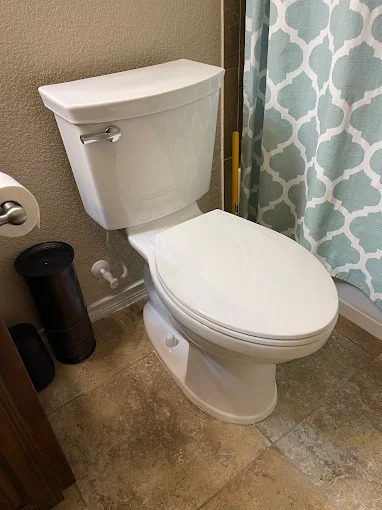
Recommended toilet repair maintenance schedule
A good schedule balances routine checks with “call sooner” triggers. Use the guidance below as your baseline for Dallas-Fort Worth homes.
| When | What to check | Why it helps |
|---|---|---|
| Every 3–6 months |
|
Catches common toilet repair needs early—often before they become water-waste or leak damage issues. |
| Once per year |
|
Helps prevent hidden toilet leaks and recurring clogs that can strain your plumbing system. |
| After any major event |
|
Ensures everything stays properly sealed and aligned to prevent future leaks. |
| Immediately when symptoms appear |
|
Prevents escalating damage and helps avoid emergency plumbing repair. |
Signs you should schedule toilet repair sooner
Even if you follow a schedule, certain symptoms mean it’s time to act right away. If you see any of the following, contact a professional for inspection and repair.
Running toilet or constant refill
A toilet that runs intermittently or continuously can waste gallons of water. It’s often caused by worn components inside the tank or a sealing issue.
Water collecting at the base
Moisture around the toilet can indicate a failing seal at the floor or an alignment problem. Left unattended, it may contribute to floor damage.
Weak flush, incomplete clearing, or repeated clogs
Problems with the flush can point to internal issues or venting/drain complications. If clogs keep returning, you may need more than a quick fix.
Gurgling sounds or slow drainage
Gurgling can suggest a drainage issue. In those cases, you may also benefit from drain cleaning and plumbing diagnostics.
What a professional toilet repair maintenance visit includes
When you schedule service with Mainline Plumbing, you can expect a focused approach to identify the cause—not just treat the symptom.
- Inspection: Check tank components, flush performance, and the seal around the base.
- Leak checks: Look for water around connections and signs of moisture where it shouldn’t be.
- Component repair or replacement: Address worn parts that cause running toilets or inconsistent flushing.
- Recommendations: Advise whether a repair is sufficient or if a toilet replacement is the better long-term option.
If your issue appears connected to broader plumbing problems, Mainline Plumbing can also help with general plumbing diagnostics and related services.
Adjusting maintenance frequency for your home
Not all households use toilets the same way. Consider increasing maintenance checks if your situation matches one or more of the examples below.
| Your situation | Maintenance adjustment | What to prioritize |
|---|---|---|
| Large household or heavy daily use | Move from annual to every 6 months | Flush consistency, refill behavior, and early leak indicators |
| Older toilets or frequent repairs | Consider every 3–4 months for checks | Seal condition, component wear, and repair vs. replacement assessment |
| Multiple bathroom issues appearing at once | Schedule sooner for diagnostics | Potential shared plumbing causes and drain performance |
| Commercial-style usage (if applicable) | Ask about a service cadence aligned to your schedule | Consistent performance and reducing downtime |
Toilet repair maintenance FAQ
How often should I have my toilet inspected?
For most homes, a visual check every 3–6 months and a more thorough inspection about once per year is a solid baseline. Increase the frequency if your household uses the toilet heavily or if you’ve had recurring issues.
Can a running toilet be fixed without replacing the whole toilet?
Often, yes. Many running-toilet problems come from worn internal components or sealing issues. A professional inspection can determine whether repair is enough or if replacement makes more sense.
What causes water at the base of the toilet?
Water pooling around the base typically points to a seal failure, an alignment issue, or a connection problem. That’s why it’s best to schedule service rather than waiting for it to “dry out.”
When should I call a plumber for toilet clogs?
If clogs are frequent, if the toilet flush is weak, or if you notice gurgling or slow drainage, it’s time to schedule service. Continued clogs can indicate a drain performance issue.
Need toilet repair maintenance in Dallas-Fort Worth?
Mainline Plumbing can help with toilet repair, inspection, and related plumbing services—so you can stop small issues from turning into bigger problems.
Serving Dallas-Fort WorthIf you’re searching for Toilet Repair Near Me or Toilet Plumbing Repair in the Dallas-Fort Worth area, schedule service with Mainline Plumbing today. You can also review other plumbing solutions like backflow testing & repairs and leak detection & repair if your symptoms suggest a broader issue.