
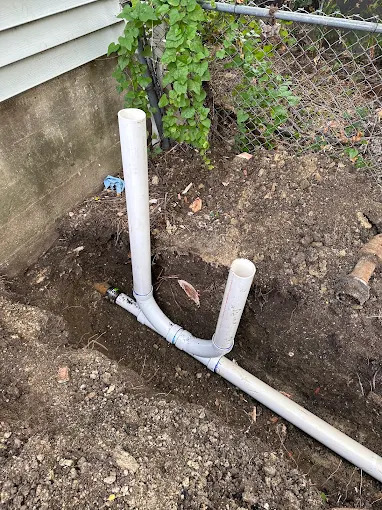
How Often Should You Schedule Leak Detection Inspections?
How Often Should You Schedule Leak Detection Inspections?
A good leak detection plan depends on your plumbing layout, age of the home, water usage patterns, and whether you’ve had leaks before. That said, a practical schedule can help you catch issues early—before they become hidden water leak detection emergencies.
| Situation | Suggested Inspection Timing | Why It Matters |
|---|---|---|
| Newer home / plumbing system | Every 2–3 years (or as recommended) | Helps confirm there are no slow, undetected issues developing over time. |
| Older home / aging pipes | Annually or every 1–2 years | More wear increases the chances of plumbing leak detection needs. |
| Past leak history | After repairs, then every 1–2 years | Previous leaks can indicate surrounding areas may need closer monitoring. |
| Seasonal extremes (heat/cold) | At least once before or after peak season | Temperature swings can stress pipes and fittings. |
Signs You Should Schedule Leak Detection Sooner
Even the best schedule can’t replace real-world warning signs. If you notice any of the following, don’t wait for the next “planned” check—call for leak detection services.
- Unexpectedly higher water usage or unexplained spikes on your bill.
- Damp floors, ceilings, or walls—especially if the moisture returns after drying.
- Musty odors that suggest moisture behind walls or under floors.
- Water pooling around fixtures, crawl spaces, or along exterior foundations.
- Low water pressure or irregular flow that doesn’t match fixture usage.
- Sounds of running water when no water is in use.
- Frequent toilet running or recurring leaks around toilets and supply lines.
Need leak detection right away?
If you suspect an active leak, emergency leak repair readiness matters. Mainline Plumbing can help you locate the source and move toward effective leak repair.
How Inspection Frequency Differs by Leak Type
Not all leaks behave the same. Some show up quickly; others sit hidden for months. Your inspection cadence should reflect the most likely leak scenarios in your property.
Hidden water leaks inside walls and under floors
These are classic cases for hidden water leak detection. If you have older plumbing, frequent fixture usage, or past moisture issues, consider inspections annually to catch slow leaks early.
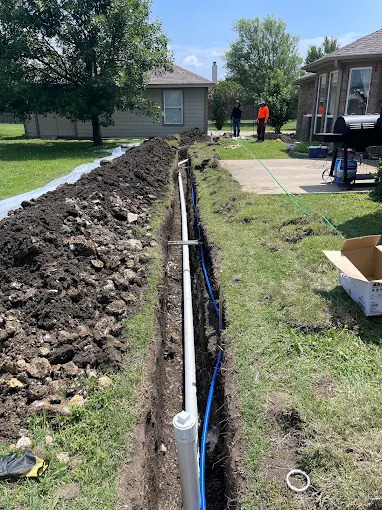
Underground leak detection and water line leaks
Underground leak detection is often harder to notice until damage is underway. If you’ve experienced water line leak repair needs before, schedule more frequent checks (about every 1–2 years) to reduce risk.
Slab leaks and foundation-related moisture
Slab leaks can be especially disruptive because they may be hidden under concrete. If you suspect slab water leak detection issues, it’s best to address them promptly rather than waiting for your next routine interval.
Learn more about slab leak detection and repair from Mainline Plumbing.
What Happens During Professional Leak Detection
Professional leak detection services focus on locating the source accurately, so leak repair work can be targeted instead of guesswork. While every situation is different, a typical approach includes:
- Assessment of symptoms (water usage patterns, visible moisture, and plumbing behavior).
- Inspection and diagnostic steps to narrow down the most likely leak area.
- Leak confirmation so you can move forward with the right plumbing leak repair plan.
- Repair recommendations based on where the leak is located and how it’s affecting your system.
Who Should Schedule More Frequently?
Some properties naturally face higher leak risk. If any of the following apply, consider increasing your inspection frequency.
- Older plumbing systems or unknown pipe materials.
- Homes with slab foundations where leaks can be hidden beneath concrete.
- Properties with frequent fixture use (large households, high occupancy).
- Commercial plumbing needs where downtime affects operations.
- Recent plumbing work (new lines, repairs, or replacements) that may benefit from follow-up diagnostics.
- Frequent clogs or drainage problems that sometimes mask broader plumbing concerns—especially when multiple system issues appear together.
If you manage a business and suspect plumbing problems, explore backflow testing and repairs and other services that help protect water systems.
Do You Need Another Inspection After Leak Repair?
In many cases, yes—especially when dealing with hidden water leak detection or underground leak detection. A follow-up inspection can help confirm the leak repair addressed the actual source.
- If the leak was hidden (behind walls, under floors, or underground), schedule follow-up diagnostics.
- If you repaired a water line leak, verify the system behavior returns to normal.
- If moisture damage was present, confirm the area is stable before assuming everything is fully resolved.
Get professional leak detection in Dallas-Fort Worth. Mainline Plumbing can help identify the source and support the right leak repair next steps.