Commercial Plumbing Safety Tips to Prevent Water Damage
Water damage can start quietly—often from a hidden leak, failing fixture, or drainage issue. Use these practical safety tips to reduce risk across your facility, and know when to call Mainline Plumbing for leak detection, leak repair, and commercial plumbing services.
Common Water Damage Sources in Commercial Buildings
Commercial plumbing water damage usually begins with one of the following issues. The key is addressing small problems early—before they become costly repairs or unsafe conditions.
Leaks in supply lines & fittings
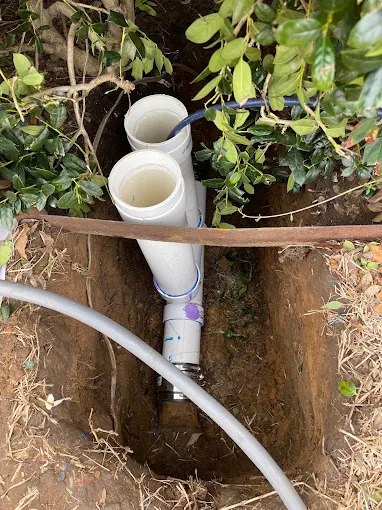
Loose connections, worn seals, and aging pipe runs can release water behind walls, under slabs, or within ceiling cavities.
Slab leaks & underground water issues
Underground leaks can be difficult to notice until flooring, foundations, or landscaping show symptoms.
Drain clogs & failing drainage systems
Clogged drains can cause backups, overflow risks, and damaged fixtures—especially in restrooms, kitchens, and service areas.
Fixture and toilet malfunctions
Running toilets, leaking valves, or slow drains waste water and can contribute to damp floors and water intrusion.
Early Signs to Watch For
Catching leaks early is one of the most effective ways to prevent water damage. Look for patterns that suggest pressure loss, drainage problems, or hidden water leak detection needs.
- Unexpected increases in water usage (especially without changes in occupancy or operations).
- Damp drywall, stained ceilings, or peeling paint near plumbing walls, restrooms, or mechanical rooms.
- Musty odors that return after cleaning or drying.
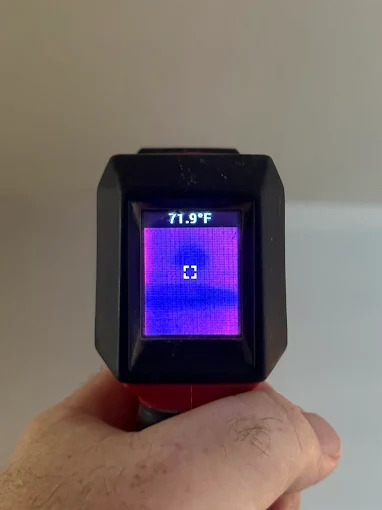
- Warm spots on floors that don’t match the building’s normal heating patterns.
- Slow drains or recurring clogs in the same sinks, showers, or restroom areas.
- Running toilet repair symptoms: constant fill cycles, weak flush, or water running after the flush.
- Visible pooling around toilets, sinks, water heaters, or under-floor penetrations.
Preventive Safety Routine for Facilities Managers
A structured routine reduces downtime and helps you identify plumbing issues before they become emergency repairs. Consider assigning checks to maintenance staff and keeping records for trending.
1) Inspect high-risk plumbing zones
Focus on areas where damage spreads quickly: bathrooms, break rooms, kitchens, janitorial closets, and any location above or adjacent to plumbing lines.
2) Verify shutoff valves & access points
Ensure valves are accessible and labeled so leaks can be contained quickly. If access is blocked by equipment or storage, plan for better access routes.
3) Maintain water fixture performance
Replace failing parts before they leak. For example, consistent issues with toilet plumbing repair or sink performance often indicate worn components that require attention.
4) Keep drainage systems clear
Address slow drains early to prevent backups. Regular checks can reduce the chance of overflow and the need for emergency drain cleaning.
When to Call Professional Leak Detection
Some plumbing problems require more than basic visual inspection. Call for professional leak detection services when you see symptoms that suggest water is traveling from an inaccessible source.
Call soon if you notice…
Repeated stains in the same area, unexplained water usage, recurring dampness, or signs consistent with plumbing leak detection needs.
Call immediately if…
You have active leaking, standing water, a risk of flooding, or an emergency leak repair situation that threatens safety and property.
Mainline Plumbing supports commercial plumbing leak repair needs across Dallas-Fort Worth, including leak detection and repair and slab leak services.
Commercial Plumbing Safety Checklist
Use this checklist for routine inspections and as a guide for maintenance teams. If any item looks abnormal, escalate to qualified technicians for diagnostics and repair.
| Check | What “Good” Looks Like | When to Escalate |
|---|---|---|
| Water meter readings | Stable usage when building activity is steady | Unexplained increases or continuous flow |
| Toilets & restroom fixtures | No constant running, clean seals, consistent flush | Running toilet repair needs, leaks around bases |
| Sinks & faucets | No dripping, no pooling at supply lines | Persistent drips or moisture under cabinets |
| Drain performance | Fast drainage, no recurring backups | Slow drains, repeated clogs, water backing up |
| Water heater / hot water delivery | Consistent hot water, no leaks near connections | Wet areas, pressure issues, unusual noises |
| Visible pipes & valves | Dry, secure fittings and no corrosion | Cracks, dampness, or signs of pressure loss |
| Floors & ceilings near plumbing | No staining, bubbling, or soft drywall | Stains, soft spots, or recurring leaks |
| Slab/underground indicators | No warm spots or unexplained ground wetness | Signs consistent with hidden water leak detection |
FAQ
What is plumbing leak detection used for in commercial buildings?
Plumbing leak detection helps identify the source of water leaks when the problem isn’t clearly visible. It’s commonly used for hidden water leak detection, water leak detection, and leak repair planning.
How do you know if a leak is underground or a slab leak?
Signs may include unexplained water loss, warm areas on floors, dampness that doesn’t match visible plumbing, or foundation-related concerns. Slab leak detection and underground leak detection can help confirm the source.
Can a running toilet cause water damage?
Yes. A running toilet can waste water continuously and contribute to moisture buildup around the base and supply connections. A toilet repair can help prevent ongoing damage.
When should we schedule drain cleaning or hydro jetting?
If drains are slow, clogs keep returning, or you’re seeing recurring backups, drain cleaning and drain jetting can help clear buildup and reduce overflow risk.
Do you provide emergency leak repair?
Mainline Plumbing can assist with emergency situations involving active leaks and water damage risks. If there’s standing water or an immediate threat, call as soon as possible.
Schedule Leak Detection & Leak Repair With Mainline Plumbing
Protect your building in Dallas-Fort Worth. If you suspect a hidden water leak, need professional plumbing leak detection, or want to reduce the risk of water damage, contact Mainline Plumbing.
Serving Dallas-Fort Worth. For leak detection services, leak repair, slab leak support, and commercial drain cleaning—reach out to Mainline Plumbing today.