
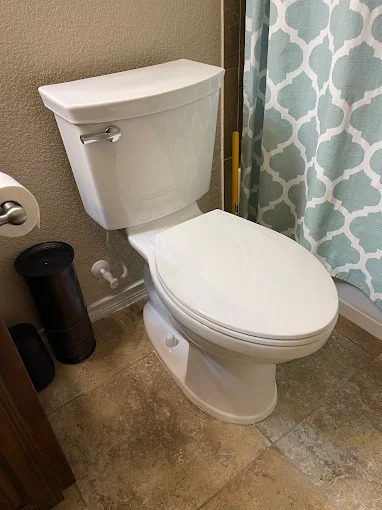
How Often Should Toilets Be Serviced for Reliability
A well-maintained toilet is safer, more water-efficient, and less likely to fail at the worst time. Here’s a practical schedule for toilet servicing—plus the signs it’s time to call Mainline Plumbing.
Recommended Service Frequency
Most toilets benefit from a light inspection during routine home maintenance, then periodic servicing when wear shows up. A good baseline is:
| Toilet Condition / Usage | Recommended Servicing | Why It Matters |
|---|---|---|
| Normal household use (1–4 people) | Every 12–24 months | Catch early wear in fill/flush components before they cause running water or incomplete flushes. |
| Higher usage (5+ people, kids, frequent guests) | About every 12 months | Increased flush cycles accelerate seal and valve wear. |
| Older toilets (10+ years) or unknown maintenance history | Inspect now, then every 12–18 months | Older parts may be more sensitive to mineral buildup and seal deterioration. |
| After repairs or part replacements | Recheck after 2–8 weeks | Ensures the adjustment holds and the new parts seal correctly. |
Need toilet repair or installation in Dallas-Fort Worth?
Mainline Plumbing handles toilet plumbing repair, toilet repair near you, and toilet installation/repair when parts or performance fail.
What “Toilet Service” Includes
Toilet servicing isn’t just “tightening a bolt.” A reliable service visit typically includes a set of checks to confirm the toilet fills correctly, flushes fully, and seals properly.
- Inspection of fill and flush components (fill valve, flapper/flush valve, overflow tube condition)
- Water level and flush adjustment to ensure consistent performance
- Leak checks for tank-to-bowl leaks and base-area moisture
- Seal and connection evaluation (including tank hardware and base seal condition)
- Operational testing after adjustments or part replacements
Signs Your Toilet Needs Attention
If you notice any of the following, it’s usually time for toilet repair or servicing:
- Running or trickling water after the tank should be full
- Water in the bowl that shouldn’t be there (tank-to-bowl leak)
- Weak flush or repeated flushes to clear waste
- Gurgling sounds during or after flushing
- Leaks at the base or damp flooring around the toilet
- Wobbling when you sit or stand (often related to movement or seal wear)
- Frequent clogs or recurring “needs plunging” situations
Service Schedule by Home Type
Your ideal servicing schedule depends on how hard your toilet works. Use the guidance below to set a realistic plan.
| Home / Usage Scenario | Suggested Timing | Extra Watch Items |
|---|---|---|
| Single-family home | Every 12–24 months | Base seal moisture, fill cycle drift, mineral buildup |
| Busy family bathroom | About every 12 months | Worn flappers/valves, weak flushes, repeated plunging |
| Rental property | Inspect at least yearly | Preventative checks to reduce tenant call-backs and downtime |
| Commercial restrooms | Planned servicing as part of maintenance | High-use wear, consistent performance across multiple units |
Common Problems & Prevention
Many toilet reliability issues come from parts wearing down or minerals interfering with seals and valves. Here are common causes—and what servicing helps prevent.
1) Tank-to-bowl leaks (the “silent” water waste)
If water slowly makes its way into the bowl, the flapper or flush valve seat may be failing. Servicing can correct water level and restore sealing before it becomes a persistent water waste issue.
2) Fill valve wear and inconsistent tank level
A weak fill cycle can cause incomplete flushes or require multiple attempts. A service visit can verify tank fill height and check valve function.
3) Base seal deterioration and movement
Leaks around the toilet base often start small and then worsen. Regular inspection helps identify early moisture or wobble.
4) Clogs caused by usage patterns or drain-line issues
If clogs repeat, the problem may be more than a toilet-only issue. Keep in mind that toilet plumbing connects to the building’s drain system. For help when clogs and slow drainage are frequent, review drain cleaning and jetting or fixture repair and installation for related bathroom drainage needs.
When to Call for Emergency Toilet Repair
Some toilet issues shouldn’t wait for a scheduled appointment. Call promptly if you see:
- Active leaking at the base with visible water or damp flooring
- Continuous running water between flushes
- Severe clogs where the toilet won’t function normally
- Water damage concerns (staining, soft subfloor, or odors)
Why Choose Mainline Plumbing
When toilets fail, you want a plumbing partner that can diagnose the cause and restore reliable performance. Mainline Plumbing provides toilet plumbing repair and toilet installation/repair across Dallas-Fort Worth.
-
Toilet repair and troubleshootingFix common causes like running water, weak flushes, leaks, and recurring clog issues.
-
Toilet installation and replacement supportWhen repairs aren’t enough, get help with toilet replacement and proper installation.
-
Whole-home plumbing coordinationIf performance issues connect to broader plumbing concerns, we can help you find the root cause.
Helpful related services: Toilet installation & repair, Drain cleaning & jetting, Leak detection & repair.
FAQs About Toilet Servicing
How do I know if my toilet needs servicing?
Running water between flushes, weak or incomplete flushing, leaks around the base, wobbling, and frequent clogs are clear signs your toilet needs inspection or repair.
Is it okay to wait if the toilet is “mostly fine”?
If it’s running, leaking, or clogging repeatedly, it’s better to service sooner. Small issues can indicate worn seals or valve problems that worsen over time.
Can mineral buildup affect toilet performance?
Yes. Mineral deposits can impact how valves and seals operate, which may lead to inconsistent fill levels, weak flushes, or slow leaks.
What if my toilet clogs often?
Frequent clogs may be related to how your toilet drains into the main line. If plunging doesn’t solve it consistently, consider professional drain cleaning or inspection. You can start with drain cleaning and jetting.
How often should toilets be serviced in a rental or commercial setting?
For rentals and commercial restrooms, planned inspection is typically more frequent than a single-family home because usage is higher and downtime matters. A technician can help set an appropriate maintenance cadence based on traffic and performance.