
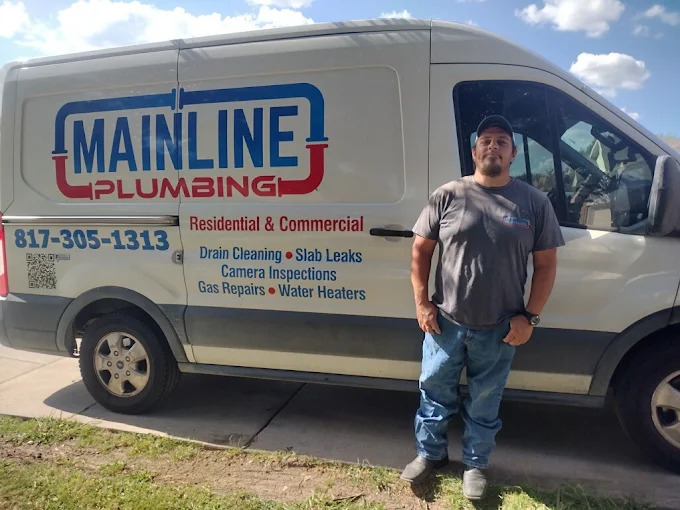
General Plumbing Safety Tips to Prevent Leaks
Small plumbing issues can quickly turn into hidden water leak detection problems—especially in fast-moving Dallas–Fort Worth homes and businesses. Use these practical safety tips to reduce the risk of leaks, catch trouble early, and protect your property.
Why Leaks Are a Big Deal
Even a slow drip can waste water, damage drywall or flooring, and create conditions that lead to mold. More importantly, leaks can spread behind walls, under slabs, or underground—turning a minor issue into expensive plumbing leak repair.
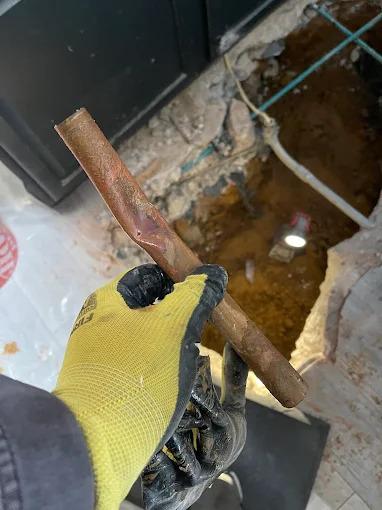
Safety First: What to Do Immediately
If you see signs of a leak, focus on safety before troubleshooting. These steps can help you prevent secondary damage.
If You Notice Water Where It Shouldn’t Be
- Stop water flow: Turn off the nearest shutoff valve if you can do so safely.
- Protect electrical areas: Keep water away from outlets, panels, and appliances.
- Document the issue: Take photos of damp spots, pooling water, or unusual discoloration.
- Don’t ignore “small” signs: Hidden water leak detection often starts with what looks minor.
Routine Checks That Prevent Leaks
A few quick inspections can help you catch problems early—before they become hidden leak repair challenges.
Monthly “Leak Look-Over”
| Where to Check | What to Look For | Why It Matters |
|---|---|---|
| Under sinks and around supply lines | Damp cabinet bottoms, mineral buildup, water spots | Helps prevent small drips from becoming pipe leak repair jobs |
| Toilets (base and connections) | Water around the base, rocking, recurring moisture | Running toilet repair and leaking toilet repair are often preventable |
| Water heater area | Rusty residue, moisture near fittings, unusual odors | Early detection reduces risk of water heater installation complications |
| Visible plumbing joints | Cracks, loosened fittings, slow seepage | Supports general plumbing repairs before they worsen |
| Outdoor hoses and spigots | Pooling water, loose hose connections | Reduces emergency plumbing repair needs |
Kitchen & Bathroom Habits to Reduce Risk
Daily habits affect wear and tear on fixtures and drain lines. Protect your plumbing by using your system gently and correctly.
Simple Habits That Matter
- Avoid harsh drain dumping: Don’t pour grease, coffee grounds, or thick solids into drains.
- Use the right toilet care: If you notice a running toilet, address it promptly (toilet repair can prevent further water loss).
- Check faucet cartridges and seals: Drips can be small but persistent—faucet repair and installation may be the fix.
- Mind the garbage disposal: Use cold water during operation and avoid overloading it.
- Don’t force supply lines: If something feels stuck, stop and get professional help.
Water Pressure and Temperature Safety
Plumbing leaks aren’t only caused by aging pipes—pressure problems and temperature stress can also contribute.
Watch for These Pressure/Temperature Clues
- Sudden pressure changes: Can stress fixtures and connections.
- Hammering noises: “Water hammer” can loosen fittings and wear out seals.
- Water that’s too hot: Excessive temperature can increase wear in hot water lines and joints.
- Hot water inconsistencies: May point to water heater installation needs or internal issues.
Underground Leak Detection Basics
Underground leaks can be especially challenging because the damage may occur far from the actual problem point. If you suspect underground or under-slab problems, act early.
Signs You Might Need Underground Leak Detection
- Wet areas in the yard that don’t match sprinkler schedules
- Cracks or shifting near concrete sections
- Persistent dampness close to the foundation
- Frequent water meter movement when the home is idle
When to Call Professional Leak Detection Services
Some plumbing issues are easy to spot. Others require professional plumbing diagnostics and leak detection to avoid unnecessary damage.
Call Mainline Plumbing When…
- You can’t locate the leak source but you suspect one.
- You see repeated dampness after cleaning or drying.
- Water pressure drops or fluctuates without an obvious reason.
- Your home or business has slab or underground concerns.
- You need emergency leak repair or emergency plumbing repair support.
Get Help From a Local Plumbing Team
Mainline Plumbing provides professional leak detection and leak repair across Dallas–Fort Worth.
Simple “Do This” Maintenance Guide
Use this quick checklist to reduce leaks and catch issues earlier—before they require more extensive plumbing repair.
Maintenance Checklist
| Task | How Often | What It Prevents |
|---|---|---|
| Inspect under-sink areas for moisture and mineral buildup | Monthly | Slow drips and hidden leak repair |
| Check toilet base and listen for running water | Monthly | Running toilet repair and leaky toilet plumbing repair |
| Observe water meter activity when water is off | Quarterly | Water line leak repair that goes unnoticed |
| Schedule drain cleaning if you notice recurring clogs | As needed | Clogged drain cleaning and drain pipe repair |
| Look for damp spots near foundation/concrete | Seasonally | Slab leak detection needs and underground leak detection issues |
- Toilet installation & repair for leaky or misbehaving toilets.
- Drain cleaning & jetting for clogged or slow drains.
- Water heater installation for hot water reliability.
- Leak detection and repair when you need the source found and fixed.
FAQ
What is the difference between leak detection and leak repair?
Leak detection focuses on finding the source of the problem (especially for hidden water leak detection). Leak repair is the work needed to fix the issue once the location and cause are confirmed.
How can I tell if I have a hidden water leak?
Common signs include unexplained increases in water bills, damp spots, musty odors, low or fluctuating water pressure, or water meter movement when nothing is running.
When should I request professional plumbing leak detection?
If you can’t locate the leak, if the problem keeps returning, or if you suspect underground leak detection or slab-related issues, it’s a good time to call for professional leak detection services.
Do you also help with emergency plumbing repair?
Yes. If you’re dealing with urgent water damage risk, you can reach Mainline Plumbing by calling (817) 305-1313.