
General Plumbing Myths That Cause Costly Leaks
Small mistakes and “common sense” fixes can turn a minor drip into hidden water leak detection problems, slab leaks, or expensive drain line damage. Here are the most common myths—and what to do instead.
Myth #1: “If I can’t see water, there’s no leak.”
Many plumbing leaks are hidden by drywall, flooring, insulation, or underground conditions. That’s why hidden water leak detection matters—because the water may be moving long before you notice pooling, staining, or a sudden spike in your bill.
- Unexpected water usage changes
- Musty odors or persistent dampness
- Warm spots on floors (sometimes linked to underground or slab conditions)
- Cracks in drywall, paint bubbling, or recurring wet patches
If you’re looking for Leak Detection Near Me in the Dallas-Fort Worth area, Mainline Plumbing can help you get to the root cause with professional leak detection.
Myth #2: “A wet spot is the source.”
Water travels. A stain or wet area can be the result of a leak that started elsewhere—especially with slab conditions, wall plumbing, or underground plumbing. Chasing the visible symptom often leads to repeat damage.
Why this myth gets expensive
- Repairs may miss the actual pipe leak repair location.
- Moisture can continue behind finishes, leading to mold risk and structural wear.
- Underground leak detection may be required when water migrates through soil.
The smarter path is to use professional leak detection to pinpoint where the water is entering or escaping.
Myth #3: “Turning off the water stops the problem.”
Shutting off the main can limit new water flow, but it doesn’t always remove the damage already happening. If you have an active underground leak, water may still be present in surrounding areas and can continue to affect nearby structures.
If you suspect Emergency Leak Repair, don’t wait for a “better time.” Contact Mainline Plumbing so you can protect your property and avoid compounding issues.
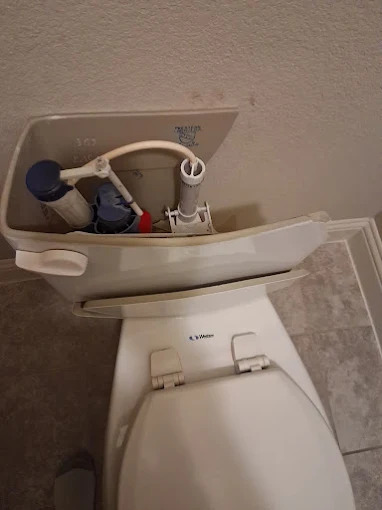
Myth #4: “Dye tests are always safe.”
Dye can be helpful in specific troubleshooting situations, but it’s not a universal solution—and it may not tell you where the leak truly originates. Some leaks are pressurized, underground, or related to fittings, not the fixture itself.
What to do instead
- Let a technician evaluate the plumbing system and symptoms.
- Use targeted Plumbing Leak Detection methods to locate the true source.
- Avoid unnecessary mess or repeated tests that delay real repairs.
If your issue involves toilets or fixtures, Mainline Plumbing also provides fixture repair and installation options, including toilet repair and replacement.
Myth #5: “I can fix plumbing leaks without diagnostics.”
Many homeowners start with guesswork—tightening parts, replacing visible sections, or patching around the symptom. But plumbing systems are interconnected, and water can follow unexpected paths through walls, floors, or soil.
Water Leak Detection and plumbing diagnostics save time by identifying the exact location and type of leak before repairs begin.
| Approach | What it tends to miss | Why it can cost more |
|---|---|---|
| Guesswork DIY | Hidden leak points, underground pathways, and pressure-related causes | Repeat leaks, additional demolition, and extended water damage |
|
Professional Leak Detection
Pinpoint first
|
None—because the goal is to identify the actual source | Repairs are targeted, reducing the chance of “fixing the wrong thing” |
Myth #6: “All slab leaks are obvious.”
Slab leaks can be subtle at first. You may see small cracks, slow dampness, or changes in water usage before any dramatic signs appear. Hidden Water Leak Detection is often the difference between early repair and major, disruptive remediation.
- Watch for sudden increases in water bills
- Check for recurring moisture along baseboards or flooring seams
- Look for cracks that widen over time
If you suspect a Slab Leak Detection or need Underground Leak Detection, visit:
Myth #7: “Clogs cause leaks (and vice versa).”
Clogs and leaks can both impact plumbing performance, but they are not the same problem. A clog typically affects flow in drains or pipes; a leak typically involves water escaping from supply or pressurized lines. Sometimes they occur together, but assuming one causes the other can delay the right repair.
How to tell the difference
- Leak symptoms: moisture, dampness, staining, wet walls/floors, and water bill changes.
- Drain symptoms: slow draining, backups, bad odors, gurgling sounds.
If your concern is drain-related, Mainline Plumbing offers Drain Cleaning and drain jetting options.
Myth #8: “DIY repairs are always cheaper.”
A low-cost tool or quick patch might seem affordable, but plumbing work can be deceiving. If the leak source is hidden, the “cheap fix” may only buy time—until the damage spreads.
- Repairing the visible symptom instead of the true leak point
- Accidentally damaging surrounding plumbing components
- Delaying diagnostics and allowing ongoing water loss
When you need Leak Repair Near Me or Plumbing Leak Repair, Mainline Plumbing focuses on identifying the cause first—so repairs are more effective and efficient.
What to do when you suspect a hidden leak
If you’re seeing warning signs, the goal is to limit damage and get the right diagnosis. Use this simple checklist while you prepare to call a professional.
- Look for patterns: note when the issue appears (after showers, during irrigation, at night).
- Check visible areas: under sinks, around toilets, near water heater piping, and along walls.
- Monitor your water meter: if usage continues when no fixtures run, that’s a strong signal.
- Document symptoms: take photos of stains, damp spots, and cracks.
- Contact Mainline Plumbing: schedule Leak Detection Services for pinpoint repair planning.
Need leak detection in Dallas-Fort Worth?
Don’t let a “small leak” quietly become a major repair. Mainline Plumbing provides professional leak detection and leak repair for residential and commercial needs.
Serving Dallas-Fort Worth, including nearby communities.
Leak detection and repair services
If you’re dealing with a leak, Mainline Plumbing can help with targeted repairs and related plumbing services. Below are some common service categories that often pair with leak troubleshooting.
| Service | Best for | Explore |
|---|---|---|
| Leak Detection & Repair | Water leak detection, plumbing leak repair, and diagnosing hidden or underground issues | Open service |
| Slab Leaks | Slab water leak detection and slab leak repair support | Open service |
| Drain Cleaning & Jetting | Clogged drain cleaning, main drain cleaning, and drain jetting needs | Open service |
| Toilet Installation & Repair | Leaking toilet repair, running toilet repair, and toilet plumbing repair | Open service |
Quick FAQ
How do I know if my leak is hidden?
Hidden leaks often show up as recurring damp spots, unexplained water bill changes, musty odors, or cracks that keep expanding. If you can’t see the source, professional Plumbing Leak Detection is the fastest way to confirm where the water is escaping.
What’s the difference between a leak and a clogged drain?
Leaks usually involve water escaping from supply lines or pressurized plumbing, while clogs affect waste flow in drain lines. Leaks typically cause moisture or staining; clogs often cause slow drains or backups. Mainline Plumbing can help determine which system is involved.
Can a slab leak be repaired without major damage?
In many cases, early detection can reduce how much repair work is required. Because slab issues are often hidden, Slab Leak Detection and targeted Slab Leak Repair planning matter. If you suspect a slab leak, contact Mainline Plumbing for an assessment.
Should I try DIY fixes for an active leak?
DIY may temporarily reduce water flow, but it can also miss the true source—especially for hidden or underground problems. The most cost-effective approach is usually to pinpoint the cause first with professional leak detection and then perform the correct Leak Repair.