
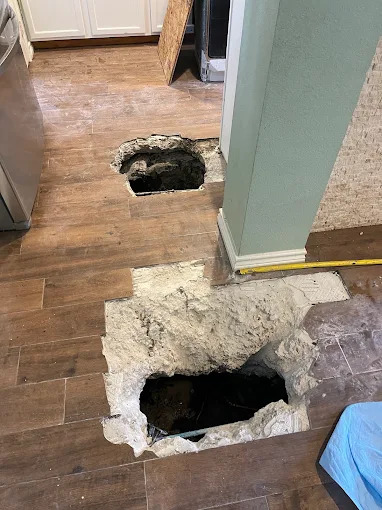
Drain Repair Strategies: Stop Slow Drains Permanently
If you’re dealing with slow drains in Dallas-Fort Worth, Mainline Plumbing can help you identify the cause and use the right drain repair approach—so the problem doesn’t come back.
Slow drains are more than an inconvenience—they can lead to backups, odors, and costly repairs. The key is finding the underlying cause and matching it with the right drain repair strategy.
If multiple drains slow down at once (or you notice gurgling), the issue is often closer to the main drain line than a single fixture. That’s when professional drain cleaning and drain line repair can make the difference.
What Causes Slow Drains?
Slow drains usually happen when water can’t move through the plumbing system as freely as it should. Over time, debris builds up or pipes become restricted.
Common causes include:
- Accumulated debris: grease, soap scum, hair, food particles, and sediment.
- Partial blockages: clogs that don’t fully stop flow, but slow it down.
- Pipe buildup: mineral deposits and organic residue narrowing the pipe interior.
- Tree-root intrusion: roots can enter small cracks and expand over time.
- Damaged drain lines: cracks, breaks, or misaligned pipes that trap debris.
- Ventilation issues: poor venting can cause slow drainage and gurgling sounds.
Why Store-Bought Drain Cleaners Often Fail
Many homeowners reach for chemical drain cleaners when water backs up. While these products may temporarily improve flow, they frequently don’t solve the real cause.
Chemicals can break down some materials but may not remove hardened buildup, roots, or physical damage. They can also create additional issues if the clog is deeper in the line.
For lasting results, drain repair usually requires proper cleaning and—when necessary—repairing the damaged or restricted section of piping.
How Proper Drain Repair Prevents Repeat Clogs
Permanent fixes come from addressing the root problem, not just clearing symptoms. A strong drain repair plan typically includes:
| Step | What it Does | Why it Helps |
|---|---|---|
| Identify the cause | Pinpoints where the restriction or damage is occurring. | Stops “guess-and-check” repairs. |
| Clear the line effectively | Removes debris and buildup using the right cleaning method. | Restores flow without leaving residue behind. |
| Repair what’s broken | Fixes cracks, breaks, or other issues in the drain line. | Prevents the clog from returning. |
| Confirm performance | Ensures water moves properly after repair. | Reduces the chance of repeat problems. |
Signs You Need Professional Drain Repair
If you notice any of the following, it’s time to move beyond quick fixes and consider professional drain cleaning and drain line repair:
- Slow drainage in multiple fixtures (kitchen sink + shower, etc.).
- Frequent clogs that return within weeks.
- Gurgling sounds when water drains.
- Foul odors coming from drains.
- Standing water in sinks, tubs, or showers.
- Water backing up toward other fixtures.
- Drain blockage after heavy rains (possible buildup or shifting lines).
Need help with drain repair in Dallas-Fort Worth?
Mainline Plumbing provides professional drain cleaning and drain repair strategies designed to stop slow drains permanently.
Diagnosis Tools: What We Check Before Repair
Effective drain repair starts with accurate diagnosis. That means checking more than what you can see at the fixture.
What’s typically evaluated:
- Drain line flow: where the slow-down is occurring.
- Possible buildup type: grease, soap scum, hair, mineral scale, or sediment.
- Signs of damage: cracks, breaks, or restrictions in the line.
- Contributing plumbing issues: venting problems that affect drainage.
- Whether cleaning alone is enough: or if drain pipe repair is required.
This approach helps avoid repeat clogs and supports the right repair strategy from the start.
Drain Repair Options That Actually Address the Problem
Depending on what’s causing the slowdown, the right solution may include professional drain cleaning, drain pipe repair, or additional plumbing services.
Common repair strategies:
- Drain cleaning: removes buildup and clears partial blockages.
- Drain jetting / hydro jetting: high-pressure cleaning for deeper or more stubborn restrictions.
- Drain pipe repair: addresses damaged sections that keep trapping debris.
- Main drain repair: for issues in the main line affecting multiple fixtures.
- Drain installation: when new piping is needed for long-term performance.
If your issue is tied to larger system problems, you may also need commercial drain cleaning strategies—especially for busy properties.
Common Drain Problems by Location
Slow drains can start in one fixture but often involve more of the plumbing system than you’d expect.
| Location | What’s Common | What Helps Most |
|---|---|---|
| Kitchen sink | Grease and food residue buildup | Professional drain cleaning and targeted drain repair |
| Bathroom sink | Hair, soap scum, and mineral deposits | Thorough cleaning to restore flow; repair if damage is found |
| Shower/tub | Hair clogs and partial blockages | Drain cleaning (including jetting when needed) |
| Toilet | Clogged toilet plumbing and restricted lines | Toilet repair with a focus on resolving the cause |
If you’re dealing with slow drainage that affects the toilet or recurring bathroom backups, review toilet installation and repair to address the underlying plumbing problem.
Preventing Slow Drains Long-Term
Even the best drain repair is easier to maintain when you reduce the conditions that cause buildup in the first place.
Practical prevention habits:
- Use strainers: catch hair and food before they enter the drain.
- Be grease-aware: don’t pour grease or fatty oils down the kitchen sink.
- Run water properly: let water flow briefly after use to help flush small debris.
- Avoid harsh chemical overuse: chemicals can mask early symptoms and complicate repairs.
- Address early symptoms: gurgling or slow flow is a sign to act before the clog becomes bigger.
When to Call Mainline Plumbing
If you want slow drains fixed in a way that holds up, the best time to call is when the problem is still partial—before it turns into a full backup. Mainline Plumbing delivers professional drain repair strategies for homeowners and businesses throughout Dallas-Fort Worth.
Get drain repair help from a local plumber
Call Mainline Plumbing at (817) 305-1313 to discuss your slow drain and get the right solution.
Looking for more plumbing support? You can also browse related services like sink installation and repair, water heater installation, or leak detection and repair.