
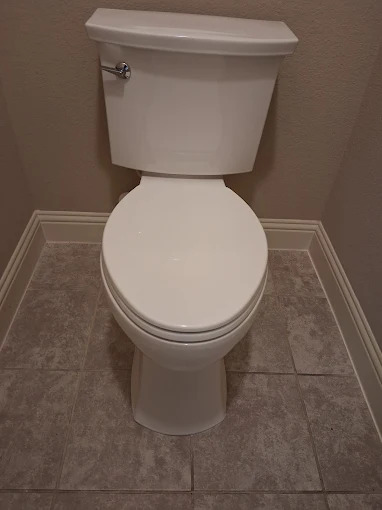
Toilet Repair vs DIY: When Calling a Plumber Matters
A running toilet, a clog that won’t clear, or a leak around the base can seem like a quick DIY fix. But some toilet problems are actually plumbing problems—often involving worn parts, incorrect installs, or hidden water damage. Here’s how to know when toilet repair is a “call a plumber” situation.
Table of Contents
- Why Toilet Problems Escalate
- Common DIY Toilet Fixes (and Where They Fail)
- Signs You Need Toilet Repair Near Me
- Leaks Around the Base: More Than a “Wobble”
- Running or Clogging Repeatedly
- Improper Flushes and Installation Issues
- What a Plumber Checks During Toilet Plumbing Repair
- Toilet Installation vs. Toilet Replacement
- Emergency Toilet Repair: When to Call Right Away
- Related Services That Often Pair With Toilet Repair
- FAQ
- Call Mainline Plumbing
Quick tip: If you’re seeing water damage, recurring clogs, or a leak you can’t fully locate, DIY can delay the real fix. Mainline Plumbing provides professional toilet repair across Dallas-Fort Worth.
Prefer to talk now? Call (817) 305-1313.
Why Toilet Problems Escalate
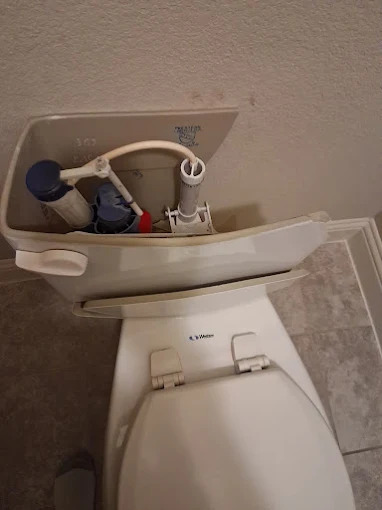
Toilets involve several systems working together: the tank, fill valve, flapper, flush mechanism, supply line, wax ring/gasket, and the drain connection. When one part fails—or when something is slightly misaligned— other issues often appear later.
- Small leaks become hidden damage behind walls or under flooring.
- Repeated clogs wear components and can affect how waste moves through the drain.
- Incorrect adjustments (like water level changes) can cause constant running or weak flushes.
That’s why professional plumbing leak detection and targeted toilet plumbing repair can save time—and protect your home.
Common DIY Toilet Fixes (and Where They Fail)
DIY can help for simple problems, but it often breaks down when the issue isn’t just a “dirty part.”
| DIY Attempt | When It Works | When It Fails |
|---|---|---|
| Adjusting the float or tank water level | Occasional running due to minor misadjustment | Worn fill valve/flapper, leaks that persist, or water level changes that cause weak flush |
| Replacing a flapper | Constant running from a flapper that won’t seal | Tank-to-bowl sealing issues, warped parts, or underlying fill valve problems |
| Unclogging with a plunger | Basic blockages and early-stage clogs | Recurring clogs, slow drains, or backups that point to drain line problems |
| Re-tightening bolts at the base | Minor wobble with no signs of a leak | Base leaks, damaged wax ring/gasket, or movement caused by floor issues |
| “Snaking” the toilet | Occasional clogs with clear access | Potential damage to toilet plumbing, or clogs deeper in the main line |
If you’ve tried a fix and the problem returns quickly, that’s usually your cue to call a licensed plumbing contractor.
Signs You Need Toilet Repair Near Me
Here are common indicators that your toilet needs more than a quick DIY adjustment.
- The toilet runs after flushing or sounds like it’s refilling constantly.
- Water leaks around the base or you notice damp flooring.
- Repeated clogs (especially the same type of blockage returning).
- Weak or incomplete flushes even after adjusting the tank.
- Water stains on the wall or ceiling nearby.
- Unpleasant odors that linger after plunging.
Bottom line: If the symptoms keep coming back, you likely need professional plumbing diagnostics—not just another part swap. Mainline Plumbing offers residential plumbing repair in Dallas-Fort Worth.
Leaks Around the Base: More Than a “Wobble”
A toilet that rocks or a small puddle at the base may point to a failing wax ring or gasket. If the toilet seal is compromised, water can escape where it shouldn’t—often unnoticed until it causes floor damage.
What to watch for
- Fresh water pooling after use
- Discoloration or staining on tile, wood, or subfloor
- Persistent odor near the toilet area
- Loose toilet bolts that don’t actually stop the leak
Re-seating a toilet without confirming the underlying cause can leave the seal problem unresolved. A plumber can verify alignment, inspect the connection, and complete the correct toilet replacement or installation if needed.
Running or Clogging Repeatedly
A running toilet can waste water and raise bills. But the fix isn’t always as simple as replacing a flapper. Clogs that return can also indicate a bigger drain issue.
Running toilet causes plumbers commonly address
- Fill valve wear or inconsistent water flow
- Flapper seating issues or tank water level problems
- Tank/bowl connection issues that prevent a proper seal
Recurring clog causes plumbers commonly address
- Toilet drain line restrictions
- Build-up that a plunger can’t clear
- Issues that may require drain cleaning or drain repair
If you’re dealing with frequent backups, consider pairing toilet plumbing repair with professional drain cleaning/jetting. Mainline Plumbing provides drain cleaning and jetting for stubborn clogs.
Improper Flushes and Installation Issues
Weak flushes, incomplete clearing, or unusual gurgling can be symptoms of installation problems or flow restrictions. DIY “tweaks” might change tank settings, but they may not correct the root cause.
- Wrong water level can lead to weak flushing or constant running.
- Misaligned components can affect how water moves from tank to bowl.
- Supply line issues can limit tank refill rate.
For problems that started after a bathroom update, a professional inspection helps ensure the toilet is set up correctly. Explore toilet installation and repair for help with both repairs and new installs.
What a Plumber Checks During Toilet Plumbing Repair
Professional toilet repair typically includes more than swapping a part. The goal is to find the cause and correct it properly.
| Area Checked | What It Reveals | Why It Matters |
|---|---|---|
| Tank components | Flapper seal, fill valve operation, and flush mechanism performance | Stops running and restores proper flushing |
| Supply line and shutoff | Flow rate and potential supply issues | Ensures the tank refills correctly |
| Base seal (wax ring/gasket) | Whether the toilet is properly sealed | Prevents leaks and hidden water damage |
| Drain connection | Potential restrictions or misalignment | Helps reduce clogs and backups |
| Surrounding signs | Moisture, stains, or recurring symptoms | Identifies when water damage or a bigger plumbing issue is involved |
If you suspect water leak detection is needed, Mainline Plumbing can help with leak detection and repair.
Toilet Installation vs. Toilet Replacement
Sometimes the right answer is a repair. Other times, replacing the toilet is the best way to stop ongoing issues.
Toilet repair may be enough if:
- The problem is isolated to a part inside the tank
- The base leak is minimal and the seal can be properly restored
- Clogs are occasional and respond to professional drain cleaning
Toilet replacement may be the better option if:
- The toilet is old or repeatedly failing at the seal
- The unit is cracked or damaged
- The installation needs correction and the cost of repeated repairs is rising
Mainline Plumbing supports toilet replacement and new toilet installation in Dallas-Fort Worth.
Emergency Toilet Repair: When to Call Right Away
Some toilet situations can’t wait—especially when water is actively leaking or the toilet can’t be used safely.
- Active leaking from the base or supply line
- Water damage is spreading (soft flooring, stains growing quickly)
- Major backups that affect bathroom function
- Signs of a hidden leak near walls or under floors
Need help now?
Call Mainline Plumbing for prompt, professional assistance with toilet repair and related plumbing issues across Dallas-Fort Worth.
If you’re also noticing water issues beyond the toilet, we can help with leak detection and slab leak services where applicable.
FAQ
Can I fix a running toilet myself?
Sometimes, yes—especially if the issue is a simple tank adjustment or a worn flapper. If the toilet keeps running after repairs, or you suspect a leak or incorrect operation, it’s best to call a plumber for toilet plumbing repair.
How do I know if the leak is from the toilet base?
If water shows up around the base after flushing and you notice dampness or staining, the base seal is a likely cause. A professional inspection helps confirm whether a seal replacement, toilet installation, or toilet replacement is needed.
Why does my toilet keep clogging?
Recurring clogs can be caused by restricted flow, waste movement issues, or drain line problems. If plunging doesn’t solve it reliably, you may need professional drain repair or drain cleaning instead of repeated DIY attempts.
Should I call a plumber for emergency toilet repair?
If the toilet is actively leaking, backing up, or causing spreading water damage, call right away. Mainline Plumbing can help address the problem before it becomes more costly.
Call Mainline Plumbing
When it comes to toilet repair, the right fix depends on the real cause—not just the symptom. Mainline Plumbing provides professional toilet plumbing repair, toilet installation, and related plumbing services across Dallas-Fort Worth.
Get help with toilet repair today
Call (817) 305-1313 or visit our website to explore services.