
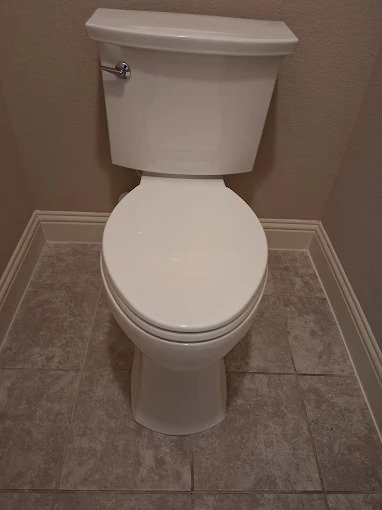
Toilet Repair Secrets: General Plumbing Fixes That Last
Many toilet issues feel “minor” until they quietly waste water or damage components. The best toilet plumbing repair approach is to identify the real failure point—then make an adjustment or replacement that holds up over time.
1) Toilet Repair Starts With Diagnosis
A long-lasting fix begins with clear diagnosis. Before replacing parts, check what the toilet is doing and when it happens. Is it a constant leak from the tank? A slow trickle after flushing? Water backing up from the bowl? Running sounds from the fill valve?
What to listen for
- Continuous running: often a fill valve or flapper seal issue.
- Hissing or intermittent refilling: typically an overflow/float or water level problem.
- Gurgling: can indicate drain restriction or a venting issue.
What to observe
- Water level in the tank: too high can cause repeated cycling.
- Water around the base: may point to a wax ring or supply connection.
- Slow drains: may require drain cleaning or line inspection.
2) Common Toilet Problems (And What They Mean)
Below are practical clues you can use to narrow down the likely cause—helpful for deciding whether a simple adjustment will work or if a plumbing leak repair is needed.
| Toilet Symptom | Likely Cause | Repair Approach That Lasts |
|---|---|---|
| Clogged toilet repair needs (water won’t drain) | Obstruction in the bowl trap or drain line restriction | Use safe clearing methods; if recurring, address the underlying drain line issue with professional drain cleaning |
| Running toilet repair (refilling after flush) | Flapper seal wear, fill valve misadjustment, or water level set too high | Adjust water level; replace worn sealing parts; verify stable shutoff |
| Leaking toilet repair (tank leak or bowl leak) | Worn flapper, cracked components, or poor seal | Inspect and replace seals/parts as needed; confirm leak stops under normal use |
| Water on the floor near the toilet base | Wax ring failure, supply line leak, or loose connections | Correct the seal at the base and check supply connections; ensure proper fit and alignment |
| Toilet keeps rocking or feels unstable | Uneven floor or compromised seal | Re-seat properly and restore a dependable seal; confirm no wobble after service |
If the toilet problem seems connected to the rest of the plumbing (multiple drains gurgle, slow drainage, or recurring backups), the fix may be in the drain line—not just the toilet itself.
3) Secrets for Stable Fixes That Last
Here are practical “toilet repair secrets” that general plumbing pros use to keep repairs from coming back. You don’t need to be a plumber to benefit from the same logic—check the cause, match the part to the model, and verify performance after the fix.
Secret #1: Set the water level correctly
Many running toilet issues trace back to incorrect tank water level. If the tank fills too high, it can cause ongoing cycling and wasted water. A correct water level helps the flapper seal reliably and keeps the toilet’s flush behavior consistent.
Secret #2: Replace the sealing components—not just the “easy part”
Flappers, seals, and related wear items are designed to take stress. When they fail, replacing only one component without checking the mating surface (or the water level) can lead to premature repeat issues.
Secret #3: Confirm the shutoff is truly shutting off
After any adjustment, let the toilet complete a full fill cycle. Watch for a stable shutoff and listen for any persistent refill sounds. A “looks fine” check can miss small leaks that become bigger over time.
Secret #4: Don’t ignore signs of drain line problems
If a toilet clogs repeatedly, that’s often a drain restriction pattern. In those cases, the best toilet plumbing repair is often a drain cleaning or repair of the affected drain line—so you’re not constantly troubleshooting the same blockage.
Secret #5: Address the foundation of the issue (literally)
If the toilet base is leaking or moving, a dependable seal matters. A compromised seal can allow water to escape and damage floors over time. Stable installation and a correct seal are key to long-lasting results.
Mainline Plumbing handles general plumbing repairs across Dallas-Fort Worth, including toilet repair and installation. Getting the right part and the right adjustment for your setup helps prevent repeat callbacks.
4) When It’s Time to Call a Pro
Some toilet and plumbing issues are best handled with professional inspection, especially when there’s evidence of hidden water leak detection needs or drain line concerns.
Call for help if you notice:
- Frequent clogs that require repeated clearing
- Water pooling around the toilet base
- Running/overflow behavior that won’t stabilize after adjustments
- Multiple fixtures draining slowly at once
Emergency situations
If you suspect an active leak that could cause property damage, don’t wait. Contact (817) 305-1313 for emergency leak repair guidance from Mainline Plumbing.
(General note: if water is actively damaging flooring or nearby areas, treat it as urgent.)
5) Quick Checklist Before You Repair
Use this checklist to guide your next step—whether you’re making a basic adjustment or deciding to schedule service.
- Identify when the issue occurs: after flushing, during fill, or constantly.
- Inspect the basics: check tank water level, flapper alignment, and obvious leaks.
- Check the base: look for dampness around the toilet footprint.
- Test drainage behavior: does the toilet drain normally after clearing?
- Think “repeat pattern”: if clogs or leaks return, the cause may be elsewhere in the plumbing.
6) Related Plumbing Services That Prevent Repeats
Toilet issues can connect to broader plumbing systems. If you’re dealing with recurring clogs, slow drains, or signs of leaking, these services may be the missing piece.
Drain-focused help
- Drain Cleaning & Jetting for stubborn blockages
- Slab Leaks if you suspect hidden water issues
Leak detection & repair
- Leak Detection & Repair for water line and plumbing leak troubleshooting
- Water Heater Installation and replacement support when system issues impact usage
Fixture repairs & installs
Whole-home water improvements
7) FAQ: Toilet Repair & Plumbing Fixes
Why does my toilet keep running after I flush?
A running toilet is commonly caused by a flapper seal issue, an improperly set water level, or a fill valve adjustment problem. A reliable repair checks shutoff performance after a full fill cycle.
What’s the difference between a leaky toilet and a hidden water leak?
A leaky toilet usually involves water escaping around the tank components or base. A hidden water leak can involve concealed plumbing lines and may require professional leak detection services to locate the source.
My toilet clogs repeatedly—should I keep trying to clear it?
Repeated clogs often point to an underlying drain line restriction or issue. If the problem keeps returning, it’s smarter to address the drain line with professional drain cleaning and inspection.
When should I consider toilet replacement instead of repair?
Replacement may be worth considering when repairs become frequent, the toilet is structurally unstable, or recurring issues suggest deeper installation/sealing problems. A professional can help you evaluate the most practical path.
Can general plumbing repairs help with toilet problems?
Yes—especially when toilet symptoms connect to broader drain behavior or leak detection needs. Mainline Plumbing provides general plumbing repairs, including toilet repair and drain cleaning services, to address root causes.
Ready for a toilet repair that lasts?
Mainline Plumbing provides toilet repair and general plumbing solutions across Dallas-Fort Worth. If you’re dealing with running toilets, clogged toilet repair needs, or leaking concerns, we can help you get to the root cause.
Getting it fixed right the first time helps reduce repeat issues and wasted water.
Contact Mainline Plumbing today.
Mainline Plumbing — Plumbing services in Dallas-Fort Worth. Learn more at https://mainlineplumbingtx.com/.