
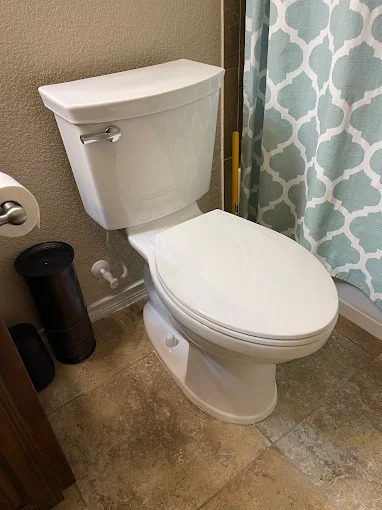
Toilet Repair Safety Tips to Prevent Water Damage
If you’re noticing running water, a constant refill, or a leaking toilet in the Dallas-Fort Worth area, these safety tips can help you reduce the risk of water damage—until Mainline Plumbing can handle the repair.
Why Toilet Leaks Can Cause Big Problems
A leaking toilet can seem minor—until moisture soaks into floors, subflooring, and nearby walls. Even small leaks can add up, creating conditions for damage and costly repairs.
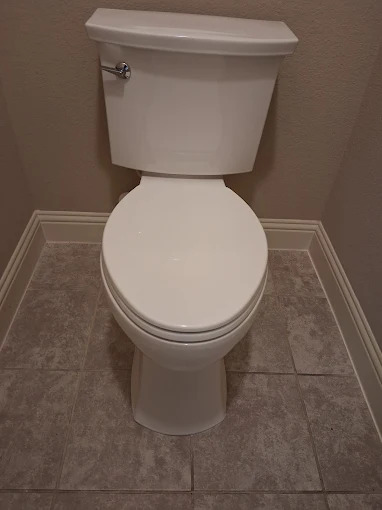
Common water damage pathways
- Floor leaks around the toilet base (wax ring failure is a common culprit).
- Tank or supply line leaks that drip slowly and pool under the toilet.
- Hidden leaks inside walls or under the slab (especially if the leak isn’t obvious).
- Overflows caused by a failing flapper, fill valve, or improper water level.
Shut Off the Water Safely
Before you do any checking, reduce the chance of water spreading by stopping the flow.
Steps to take right away
- Locate the toilet’s shut-off valve behind or near the toilet.
- Turn the valve clockwise until it stops.
- Flush once (if safe) to relieve pressure, then avoid repeated flushing.
- Use towels or a small container to catch any remaining drips.
Spot Damage Before It Spreads
Moisture can travel. Quick inspection helps you understand what’s happening—and what needs professional attention.
| What to Check | What It Can Indicate | Safety Tip |
|---|---|---|
| Wet floor around the toilet base | Possible wax ring issue, loose bolts, or base seal failure | Keep the area dry; don’t place towels where water could reach outlets |
| Water behind the toilet | Supply line leak or tank connection leak | Turn off the shut-off valve and wipe dry before further inspection |
| Tank water level seems too high | Fill valve or float adjustment issue | Avoid repeated flushing while troubleshooting |
| Ceiling discoloration or bubbling paint nearby | Potential hidden leak | If water is elevated or spreading, stop and call for help |
| Soft flooring or warped wood | Prolonged moisture exposure | Don’t step on weakened areas |
Common Causes of Toilet Leaks
Many toilet problems come down to a few repeat offenders. Identifying the source helps prevent “temporary fixes” that don’t fully stop the water.
Leak patterns to recognize
- Continuous running: often flapper or fill valve-related.
- Slow pooling at the base: frequently a seal/wax ring or bolt-related issue.
- Visible drips from the tank: can point to internal component wear.
- Water appears in multiple spots: may suggest a supply line or hidden leak.
Safe Troubleshooting Checks You Can Do
If you’re comfortable doing basic checks, you can gather information. Keep it safe and don’t force parts.
Quick checks (no special tools required)
- Inspect the floor around the toilet base for fresh moisture.
- Look at the shut-off valve area for wetness or corrosion.
- Check tank connections for any visible drips.
- Listen for refill cycles after the tank stops.
- Mark the water line (if safe) to see if the water level changes over time.
When to Call a Toilet Plumber
Some situations require experience and proper diagnostics—especially when water damage risk is higher than the repair itself.
Call Mainline Plumbing if you notice any of these
- The toilet is leaking at the base and the floor is getting wet.
- You see water behind the toilet or near the supply line.
- The leak continues after basic adjustments.
- You suspect hidden water damage (soft floors, discoloration, or recurring moisture).
- You need emergency toilet repair to limit damage.
Prevent Water Damage After Repair
Once your toilet repair is complete, a few habits and checks help prevent repeat leaks and catch issues early.
After-repair safety checklist
- Confirm there’s no moisture around the base after the first few flushes.
- Check under the tank for any new drips.
- Verify the shut-off valve is dry and not weeping.
- Monitor for 24 hours: look for fresh damp spots or odor changes.
- Avoid over-tightening fittings—this can cause cracks or warped seals.
Related Plumbing Services
If your toilet issue is part of a larger plumbing concern, Mainline Plumbing also supports a wide range of repair and inspection services across Dallas-Fort Worth.
FAQ: Toilet Repair Safety
Is it safe to keep using a leaking toilet?
It’s usually not safe to keep using it if it’s actively leaking. Ongoing moisture can worsen damage and create safety concerns. If the toilet is leaking, shut off the water and contact a professional.
What’s the most common cause of water around the toilet base?
A common cause is wax ring failure or a compromised base seal. However, supply line leaks or other plumbing issues can also contribute—so accurate diagnosis matters.
What does running water mean on a toilet?
Running water often indicates a problem with internal components such as the flapper or fill valve, or an improper water level. If it continues, a qualified toilet plumber can confirm the source.
When should I suspect a hidden leak?
If you see water where the toilet doesn’t appear to be leaking, notice ceiling/wall discoloration, or find moisture returning after repairs, you may have a hidden leak that requires professional plumbing leak detection.
Need fast, safe toilet repair in Dallas-Fort Worth?
Mainline Plumbing helps homeowners and businesses reduce water damage risk with professional toilet repair and plumbing leak detection when the source isn’t obvious.
Serving Dallas-Fort Worth.
If you suspect a leak right now
- Shut off the toilet water supply valve.
- Keep the area dry and avoid electrical hazards.
- Contact Mainline Plumbing for the right repair—whether it’s toilet plumbing repair or broader leak detection services.