
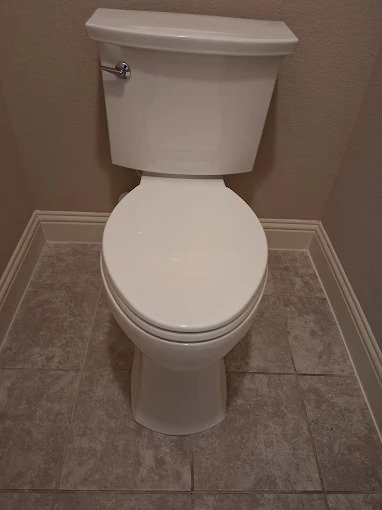
Toilet Repair Safety Tips to Prevent Mold
Why toilet leaks can cause mold
A toilet can leak in ways that aren’t immediately obvious—especially around the base and behind the wall. Even small, steady moisture can encourage mold growth on subflooring, under flooring, and in nearby drywall seams.
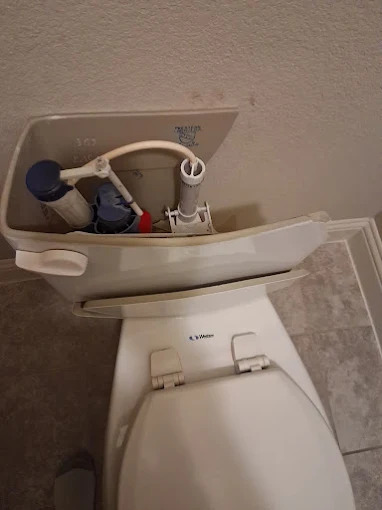
Mold prevention starts with fast leak repair. The longer a leak continues, the more water can soak into materials that are difficult to fully dry—turning a simple issue into a bigger plumbing and remediation problem.
Quick takeaway
If you notice dampness, a musty smell, or water pooling, treat it as a plumbing leak detection situation—not just a “minor drip.”
Signs you need toilet repair
Not every leak looks like a puddle. Use these clues to catch issues early:
- Water around the toilet base (on tile or near the floor edge)
- Damp or discolored flooring near the toilet
- Musty odor that returns after cleaning
- Loose toilet that rocks slightly
- Running toilet repair needed: water continues to run after flushing
- Leaking toilet repair signs: water in the tank keeps cycling or the bowl water level changes
- Visible cracks in the tank or damaged gaskets
Tip: If your toilet is also slow to drain or you’re dealing with clogs, address the plumbing system as a whole—sometimes drainage issues can worsen moisture conditions.
Safety-first steps before you attempt toilet repair
Before you do any work, focus on safety. Toilet leaks can involve contaminated water and hidden moisture. Follow these precautions:
1) Turn off the water supply
Locate the shutoff valve behind or near the toilet and turn it off. This helps prevent further leaking while you inspect.
2) Reduce water spread
- Use towels or a wet/dry shop vac (if available) to manage standing water.
- Place a small catch tray if you need to remove the tank lid or inspect connections.
3) Protect yourself
- Wear gloves; consider eye protection if you’re working near fittings.
- Avoid breathing in damp, musty air—especially if you suspect mold.
4) Don’t ignore “hidden” leaks
If you’re seeing repeated moisture, water stains that reappear, or a toilet that won’t stay dry, you may have a water leak repair issue behind the scene. In those cases, professional plumbing leak detection can help.
Common causes of leaking toilets
Most toilet leaks fall into a few categories. Here are the usual suspects:
| Potential cause | What it looks like | Why it matters for mold prevention |
|---|---|---|
| Worn wax ring or seal | Water at the base, damp floor, toilet rocking | Moisture can seep into subflooring over time |
| Faulty supply line | Drips at the shutoff valve or connection behind the toilet | Leaks can continue unseen, creating persistent humidity |
| Damaged flapper or fill valve | Running toilet, changing water level in the bowl | Continuous water use increases the chance of overflow-related moisture |
| Tank cracks or loose tank bolts | Water seepage from tank area or around bolt holes | Small tank leaks can lead to hidden dampness |
| Clogged toilet or drainage problems | Frequent backups, slow draining, repeated overflow attempts | Backups can create additional wet surfaces and contamination |
When to call professional leak detection
Some leaks are straightforward. Others are hidden—behind walls, under floors, or in areas you can’t easily access. Consider calling a pro if:
- You’ve tried basic toilet checks but the dampness returns
- You suspect hidden water leak detection (moisture with no visible source)
- You notice recurring stains, soft spots in flooring, or drywall discoloration
- You need emergency leak repair to stop active leaking
- There may be a broader issue like a water line leak repair beyond the toilet itself
What professional help can do
A trained team can perform Leak Detection Services and help identify whether you’re dealing with a toilet-specific problem or a larger plumbing leak scenario—supporting faster, safer leak repair near me outcomes.
How to prevent mold after repairs
Once the leak source is corrected, mold prevention becomes an issue of drying and monitoring.
Dry thoroughly
- Remove wet materials if possible (or have them assessed).
- Use fans and/or a dehumidifier to reduce humidity in the area.
Check for lingering moisture
- Reinspect the toilet base after the first few uses.
- Look for damp edges, odor returning, or discoloration changes.
Clean safely
If you see mold growth, avoid spreading spores. Focus on safe cleaning practices and consider professional assistance if the affected area is more than a small patch.
Need toilet repair in Dallas-Fort Worth?
If you suspect a leaking toilet—or you’re seeing moisture that won’t go away—contact Mainline Plumbing for safe, professional plumbing support.
Serving Dallas-Fort Worth with toilet repair, leak detection, and leak repair support.
Fast checklist
- Turn off the toilet shutoff valve if leaking
- Dry the area and monitor for return moisture
- Call for professional leak detection if the source is unclear