
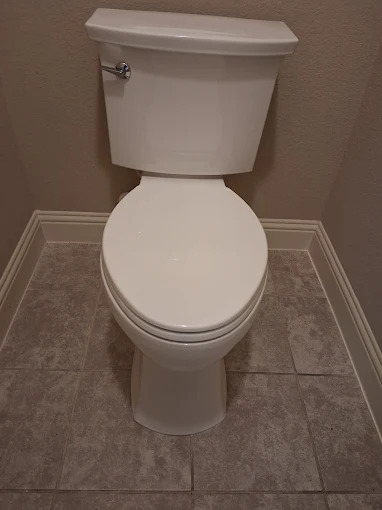
Toilet Repair Cost and Value Explained Clearly
If you’re dealing with a running toilet, clogged toilet, or a leak around the base, Mainline Plumbing can help you compare repair options and restore performance in the Dallas-Fort Worth area.
Toilet repair cost basics
Toilet repair pricing typically depends on what’s failing inside the tank, what’s happening with the flush and fill cycle, and whether the issue involves the supply line, flapper/seal, or the toilet-to-floor connection. Some problems are quick fixes; others require more labor or parts.
Quick reality check: The “cost” of toilet repair is really the cost of restoring correct operation—so the right fix prevents repeat callbacks and wasted water.
Common toilet problems (and what they usually mean)
Below are frequent issues homeowners notice. Even when the symptoms look similar, the cause can vary—so it helps to know what the problem might be.
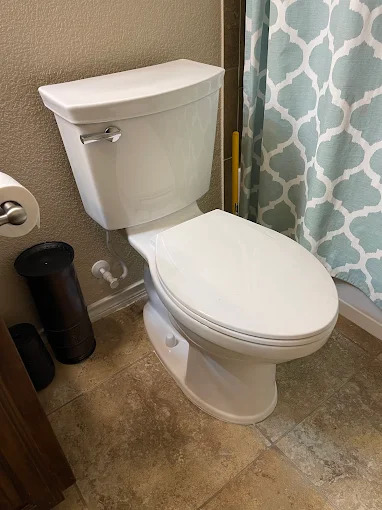
1) Running toilet repair
A running toilet often points to a worn flapper, fill valve adjustment issues, or a tank water level problem. If the tank keeps topping off or water trickles into the bowl, you’re paying for it through constant water usage.
2) Leaking around the base
If you see water pooling at the toilet base or moisture under the bathroom floor, the problem may involve the wax ring/seal, a loose connection, or an issue with the flange. Sometimes it also suggests a need for leak detection if water is escaping from a hidden source.
3) Clogged toilet / weak flush
Clogs may be limited to the toilet, but they can also reflect a larger drainage issue. If multiple fixtures are backing up, you may need professional drain cleaning and jetting or drain line repair.
4) Toilet won’t flush properly
Weak or incomplete flushes can involve the tank water level, flapper timing, or internal components. Less commonly, supply issues can affect tank refill speed and flush performance.
5) Cracks or persistent damage
A cracked tank or bowl usually changes the decision from repair to replacement. In those cases, value often comes from a full functional upgrade rather than repeated patching.
What drives the cost of toilet repair?
Toilet repair cost is less about the label (“toilet repair”) and more about the scope of work. Here are the most common cost drivers:
| Cost factor | What it affects | Why it matters for value |
|---|---|---|
| Parts needed | Flapper, fill valve, trip lever, seals, supply line components | Correct parts restore the full flush cycle and prevent ongoing water waste |
| Labor time | Access to components, removal/reinstallation steps | Careful work reduces the chance of re-leaks or incomplete repairs |
| Condition of the toilet connection | Wax ring/flange condition, bolt corrosion, floor alignment | Base leaks can require more than a “quick seal” to solve permanently |
| Clog location | Toilet-only blockage vs. drain line issue | If the clog is deeper, the right method avoids repeat backups |
| Water supply considerations | Shutoff valve operation, supply line condition | Supply problems can cause ongoing fill and performance issues |
| System diagnostics | Confirming the real cause before replacing parts | Diagnosing correctly prevents paying for unnecessary replacements |
Value tip: If the toilet issue keeps returning (same symptom after “a repair”), it’s usually a sign that the underlying cause wasn’t fully resolved.
Repair vs. replace: when each option makes sense
A toilet repair is often the best choice when the problem is limited to internal parts or a straightforward seal/connection issue. Replacement may make more sense when the toilet is damaged, outdated, or repeatedly problematic.
Repair is often the better value when:
- The tank components are worn (flapper/fill valve) but the tank and bowl are in good condition.
- The toilet base leak is caused by a seal issue and the flange/floor condition can be properly addressed.
- The clog is isolated and can be cleared effectively without broader drain problems.
- The toilet is structurally sound and the symptoms match a repairable failure.
Replacement may be the better value when:
- The tank or bowl is cracked or has persistent damage.
- The toilet has frequent recurring issues that suggest deeper installation or component problems.
- The existing toilet is significantly worn and repairs would be repeatedly needed to restore performance.
If you’re unsure, Mainline Plumbing helps you evaluate the situation and choose the practical path—often through toilet installation and repair options.
The value of quality toilet repairs
“Cheapest fix” isn’t always the best value. A quality repair focuses on long-term function: correct flush, proper fill timing, and a reliable seal at the base. That protects your home from:
- Water waste from running or incomplete shutoff
- Floor moisture from leaks around the toilet base
- Repeat clogs if the true cause is related to drainage flow
- Unnecessary part replacements when the problem is misdiagnosed
Clear approach: Identify the likely cause, repair the correct component(s), and verify the toilet operates normally before finishing.
Questions to ask before approving toilet work
These questions help you understand the scope and value of the repair:
- What exactly failed? (flapper, fill valve, seal at the base, or internal flush components)
- Is the issue isolated to the toilet or related to the drain line?
- Will you replace parts that are worn even if they aren’t the only symptom?
- What should I expect after the repair? (flush strength, refill time, no running)
- If the base is leaking, what’s the plan for the toilet-to-floor seal?
- When would replacement be recommended instead?
For related plumbing concerns, Mainline Plumbing also provides specialty services like fixture repair and replacement and sink installation and repair—useful if your bathroom plumbing has multiple issues at once.
FAQ: Toilet repair cost and value
Why does a toilet keep running after a repair?
Common causes include an incorrectly adjusted fill level, a worn or mismatched flapper/valve, or a component that wasn’t replaced despite being near failure. A proper diagnosis is key to stopping repeat issues.
What’s the most common cause of leaks at the toilet base?
Leaks around the base are often related to the toilet’s seal (such as the wax ring) and how the toilet sits on the flange. If the flange or floor area is compromised, the repair scope may expand.
Is a clogged toilet always just a toilet problem?
Not necessarily. Some clogs start in the toilet, but repeated or severe backups can indicate a drain line issue. When that’s the case, you may need professional drain cleaning to restore proper flow.
When should I consider replacing my toilet instead of repairing it?
Replacement is often the better value if the toilet is cracked, if repairs keep recurring, or if the condition suggests the existing unit is near the end of its useful life.
Do you handle emergency toilet plumbing?
Mainline Plumbing supports urgent plumbing needs. If your toilet is overflowing, leaking significantly, or causing an active problem, it’s best to call right away so we can help limit damage.
Schedule toilet repair in Dallas-Fort Worth
If you’re searching for toilet repair near me and want clear, practical guidance on repair vs. replacement, Mainline Plumbing is ready to help.
Get started: Call (817) 305-1313 or book through our toilet service page.
Serving Dallas-Fort Worth, including surrounding areas in the Mainline Plumbing service region.