
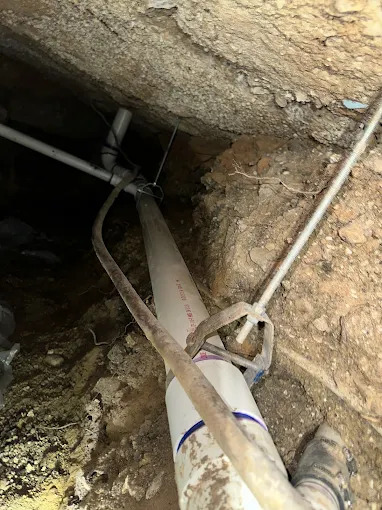
Signs of a Leak Detection Problem in Your Home
- Common Signs Your Leak Detection Process Is Failing
- Sudden or Rising Water Bills
- Low Water Pressure or Inconsistent Flow
- Damp Spots, Moisture, or Discoloration
- Why Hidden Water Leaks Are Hard to Catch
- Slab Leaks and Underground Leak Detection Red Flags
- What to Do When You Suspect a Leak Detection Problem
- Preventing Repeated Leak Detection Issues
- FAQ: Leak Detection Near Me
- Schedule Leak Detection Services
Common Signs Your Leak Detection Process Is Failing
If you’ve already noticed water issues but the problem keeps coming back—or you can’t pinpoint the source—your “leak detection” may be incomplete. Many plumbing leaks don’t announce themselves with obvious drips. Instead, they appear as recurring symptoms that don’t match the repairs that were attempted.
At Mainline Plumbing, we focus on professional leak detection and accurate leak repair so you’re not guessing. Here are the most common signs something is off with leak detection in your home.
If symptoms persist after a repair—or you can’t explain rising usage—don’t assume it’s “just a small leak.” Hidden water leak detection often requires the right methods to find the exact location.
Sudden or Rising Water Bills
One of the clearest signs of a plumbing leak detection problem is a steady or sudden increase in your water bill without a matching change in household activity.
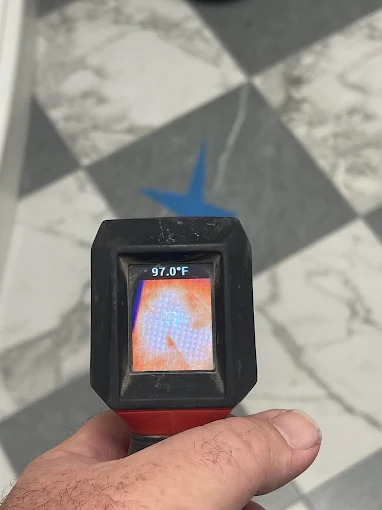
Watch for these patterns
- Higher bills month after month even when outdoor watering habits haven’t changed.
- Usage spikes that appear overnight or between billing cycles.
- Water usage that doesn’t match your routine (for example, no one is home, yet the numbers keep climbing).
A higher bill alone doesn’t identify the leak point. But when paired with other symptoms, it’s a strong indicator that your water line may be losing water.
Low Water Pressure or Inconsistent Flow
Leaks can affect water pressure and flow—especially when they occur near supply lines or within walls/floors where water escapes and pressure drops.
Common flow-related clues
- Pressure drops when a faucet, shower, or toilet runs.
- Intermittent performance—sometimes strong flow, sometimes weak.
- Air in the lines or sputtering fixtures (sometimes linked to underground or hidden plumbing issues).
When these symptoms continue, it can mean the leak detection process never identified the true source, or the repair didn’t address the full affected area.
Damp Spots, Moisture, or Discoloration
Visible water problems are often the easiest to notice—yet they’re not always the easiest to diagnose. A stain or damp area may be the result of water traveling from somewhere else, especially with hidden water leaks.
Look for these signs
- Water stains on ceilings, baseboards, or walls.
- Musty odors that suggest persistent moisture.
- Warped flooring or soft spots in drywall.
- Cracks near fixtures or along plumbing runs.
Moisture can also show up around plumbing penetrations. Accurate leak detection helps determine whether the source is a fixture, a supply line, or something underground.
Slab Leaks and Underground Leak Detection Red Flags
In many Dallas-Fort Worth homes, plumbing issues can involve underground pipes or concrete slabs. When leak detection doesn’t locate the problem correctly, you can end up with recurring damage and repeated repairs.
Red flags that suggest underground or slab-related issues
- Cracks in the floor or foundation area accompanied by moisture concerns.
- Repeated dampness in the same region after patching or minor repairs.
- Persistent water usage with no obvious source indoors.
- Challenges locating the exact line causing the loss of water.
If you suspect a slab leak or need under-slab leak detection, consider reviewing: slab leaks and leak detection and repair.
Underground leak detection often requires the right diagnostic approach to avoid unnecessary disruption. The goal is to identify the leak location accurately before repair.
What to Do When You Suspect a Leak Detection Problem
When you’re unsure whether the issue is ongoing—or whether a prior repair addressed the real source—use a structured approach. The more clearly you document symptoms, the easier it is for a professional to target the correct plumbing components.
Step-by-step actions
- Note the timing: When did you first see the issue (days, weeks, after a repair, after irrigation changes)?
- Check fixtures: Are toilet leaks, running toilets, or damp areas getting worse?
- Watch for pressure changes: Do showers or faucets behave differently?
- Look for repeated damage: If stains or moisture return, the leak may not have been located properly.
- Call for professional leak detection to confirm the source before additional repairs.
Need Leak Detection Services in Dallas-Fort Worth?
Mainline Plumbing helps homeowners and businesses identify and repair leaks using professional leak detection methods.
Preventing Repeated Leak Detection Issues
Once a leak is found and repaired, the best way to prevent “re-diagnosis loops” is to reduce uncertainty and address related system factors that can contribute to leaks and plumbing stress.
Practical steps you can take
- Keep records of symptoms (when they start, when they worsen, and where moisture appears).
- Don’t ignore small signs like minor dampness, periodic pressure changes, or gradual bill increases.
- Maintain key plumbing components (for example, toilets and fixtures that can contribute to recurring moisture).
- Consider related water system needs where appropriate—especially if your home’s water quality or filtration setup is causing issues.
If you’re also dealing with water quality concerns, you can explore water filtration for additional system support.
When to look beyond “just one leak”
Sometimes what seems like a single leak is actually multiple plumbing issues—like a fixture leak plus an underground leak. Professional diagnostics help clarify what’s happening across the system.
FAQ: Leak Detection Near Me
How do I know if I have a hidden water leak?
Common signs include rising water bills, damp spots or discoloration, musty odors, and inconsistent water pressure. If you can’t locate the source, professional leak detection can help confirm the exact area.
Why does my leak come back after a repair?
It can happen when the original repair didn’t address the true source or when the leak was only partly identified. Accurate leak detection is key to pinpointing the location before leak repair.
Do slab leaks require different leak detection than other leaks?
Slab leaks and under-slab issues often involve underground piping, which can require targeted approaches. If you suspect a slab leak, review slab leaks and contact Mainline Plumbing for diagnostics.
Can a toilet or fixture leak cause the same symptoms as a water line leak?
Yes. Toilet leaks, running toilets, and fixture-related issues can mimic broader plumbing problems like moisture and water usage changes. That’s why it’s important to identify the specific source.
What should I do if I suspect an emergency leak?
If you notice active leaking, significant moisture, or fast-growing damage, call Mainline Plumbing right away at (817) 305-1313 so we can help with prompt leak detection and leak repair.
Leak Detection & Related Plumbing Help
If your symptoms involve drains, clogs, or underground drain lines, it’s possible you may need drain-focused services in addition to leak detection. Mainline Plumbing also offers:
| What you’re dealing with | Service to consider |
|---|---|
| Clogs, slow drains, or persistent drain issues | Drain cleaning & jetting |
| Possible slab-related plumbing leak concerns | Slab leaks |
| Fixture-specific leaks or repairs | Water fixture replacement & repair |
| Water line leak detection and accurate repair | Leak detection and repair |
Get Professional Leak Detection from Mainline Plumbing
Serving Dallas-Fort Worth with professional leak detection, leak repair, and plumbing diagnostics.