

Prevent drain backups with smart repair maintenance tips
On this page
- Understanding drain backups
- Warning signs you need repair maintenance
- A smart maintenance routine (that actually works)
- What causes clogs in Dallas-Fort Worth homes?
- Quick actions to reduce backup risk
- When to call for professional drain cleaning & repair
- Preventative repairs that keep drains flowing
- Drain maintenance checklist
- Schedule help from Mainline Plumbing
Many drain backups start as minor slowdowns—hair, grease, soap scum, and small debris build up over time. Catching problems early with the right drain cleaning and jetting and drain repair approach can help you avoid messy, costly backups.
Understanding drain backups
A drain backup happens when water can’t flow through the plumbing system fast enough. That slowdown can be caused by partial clogs, debris buildup, grease accumulation, damaged pipe sections, or improper drainage flow.
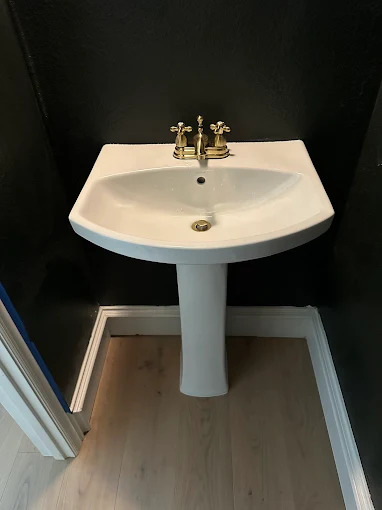
When the blockage grows—especially during peak water use—wastewater can back up into sinks, tubs, showers, laundry drains, or even lower fixtures. The goal of maintenance is to reduce buildup and fix drainage problems before they escalate.
Warning signs you need repair maintenance
If you notice any of the following, it’s time to think beyond “waiting it out.”
Common early warning signs
- Slow drains in one fixture (or multiple fixtures at once)
- Frequent clogs that return within weeks
- Gurgling sounds when water drains
- Bad odors near drains or in bathrooms/kitchens
- Water pooling in tubs, sinks, or laundry areas
Higher-risk signs
- Backups after heavy use (laundry day, parties, consecutive showers)
- Multiple drains backing up around the same time
- Recurring blockages despite minor plunging
- Drain issues after home changes (renovations, new fixtures)
Repeated plunging or using harsh chemicals can sometimes worsen the situation by pushing debris deeper or damaging pipes. If symptoms persist, professional diagnostics and targeted drain jetting and repair are usually the smarter path.
A smart maintenance routine (that actually works)
A “maintenance routine” isn’t about doing everything—it’s about doing the right things regularly to prevent buildup. Here’s a practical approach for Dallas-Fort Worth households.
Weekly habits
- Use drain strainers in kitchen and bathroom sinks to catch hair and food particles.
- Wipe grease off cookware before washing dishes.
- Run water for a short time after heavy sink use to help carry away small debris.
- Check shower/tub drains for hair buildup and clean strainers regularly.
Monthly habits
- Inspect visible drain lines and overflow areas for residue or slow drainage patterns.
- Confirm that fixtures are installed correctly (especially after repairs or replacements).
- Pay attention to toilet behavior—clogging can be an early clue of drain-line issues.
If toilet symptoms show up, consider professional support for toilet installation and repair and related drainage.
Seasonal maintenance
- Before peak use periods, schedule preventative service if you’ve had past clogs.
- If you suspect under-slab or underground drainage issues, address them early—small leaks and pipe problems can impact how drains perform.
For related plumbing concerns, Mainline Plumbing also provides leak detection and repair and slab leak detection.
What causes clogs in Dallas-Fort Worth homes?
Clogs are usually a combination of what goes down the drain and how your plumbing system handles it over time.
| Cause | How it leads to backups | What to do |
|---|---|---|
| Hair & soap scum | Builds up in bathroom lines, traps debris, and reduces flow. | Use strainers; clean them often; schedule professional cleaning if slowdowns persist. |
| Grease & food particles | Solidifies inside plumbing, creating thick layers that catch more debris. | Scrape plates; wipe grease; avoid pouring fats/oils into drains. |
| Mineral buildup & residue | Restricts water passage and can make existing partial blockages worse. | Consider targeted cleaning and repairs instead of repeated harsh treatments. |
| Improper slope or aging pipes | Older sections may drain slower and accumulate debris faster. | Get a professional inspection to determine whether repair or replacement is needed. |
| Damaged drain sections | Cracks or misaligned sections can catch debris and worsen over time. | Address the root issue with drain pipe repair or drain line repair. |
Quick actions to reduce backup risk
When you’re trying to stop a potential clog from turning into a full backup, these actions can help.
Do this
- Clear the strainer before it overflows (especially in bathrooms).
- Use hot water carefully to help dissolve minor residue—avoid extremes if you have older plumbing.
- If a single drain is slow, check whether nearby fixtures are also affected (this helps narrow the cause).
- For toilets, watch for running or leaking issues and handle them quickly.
Avoid this
- Avoid repeated chemical pouring—this can damage pipes and may not clear the actual blockage.
- Avoid pushing problems deeper with tools that don’t match the drain type.
- Don’t ignore recurring clogs. They’re often a sign of a deeper drainage problem.
Sometimes drain performance is affected by other plumbing issues. If you’re seeing unexpected water behavior, explore water leak detection to rule out hidden problems. Leaks can increase moisture and impact plumbing components over time.
When to call for professional drain cleaning & repair
If you’ve tried basic steps and the issue continues, it’s time to bring in professionals who can diagnose the real cause. Pro-level service can help prevent repeat clogs and deeper damage.
Call Mainline Plumbing if you have
- Clogs that return quickly
- Multiple drains backing up
- Persistent slow drainage in the same area
- Drain odors that don’t improve
- Signs the line may be restricted below the surface
What professional service may include
- Targeted drain cleaning and jetting
- Drain pipe repair and drain line repair when needed
- Recommendations to prevent recurrence
Explore our drain cleaning and jetting services to understand how we approach clogged systems.
Preventative repairs that keep drains flowing
Maintenance works best when it’s paired with the right repairs. Here are repair-related items that can help protect your drainage system.
Drain-focused repairs
- Main drain repair if problems are concentrated downstream
- Drain pipe repair when a section is damaged or obstructed
- Underground drain repair if the issue appears below the surface
- New drain installation when layout or performance requires upgrades
Plumbing system connections
- Check fixture connections that may contribute to buildup or poor flow.
- If you’re installing or replacing bathroom or kitchen components, confirm proper drainage.
- For toilets, use toilet installation and repair to address clogs and flushing issues early.
For other fixture needs, see sink installation and repair and water fixture replacement and repair.
Drain maintenance checklist
Use this quick checklist to keep drain performance on track between service visits.
- Use strainers in kitchen and bathroom sinks; clean them regularly.
- Scrape grease/food residue off dishes before rinsing.
- Watch for slow drainage, gurgling, or recurring clogs—don’t ignore patterns.
- Address toilet issues promptly using toilet installation and repair.
- Schedule professional drain cleaning if backups return or worsen.
- If you suspect hidden plumbing problems, ask about leak detection and related repairs.
Schedule drain maintenance & repair support in Dallas-Fort Worth
Mainline Plumbing helps homeowners and businesses reduce backup risk with practical drain care and targeted service. If you’re seeing slow drains or recurring clogs, we can help you identify the root cause and choose the right next step.
Serving Dallas-Fort Worth with professional plumbing and drain cleaning options, including drain jetting and drain repair services.
Tell us what you’re seeing—slow drains, recurring clogs, or water pooling—and we’ll guide you toward the most effective maintenance and repair plan.
Related services you might need
Drain cleaning & jetting
For clogs and buildup, explore drain cleaning and jetting.
Water leak detection (when needed)
If you’re dealing with suspected hidden leaks along with drainage problems, see leak detection and repair.
Toilet installation & repair
For flushing issues or clog patterns, visit toilet installation and repair.
Slab leak detection
For underground concerns, check slab leak detection.