
Leak Detection with Minimal Invasion: Where to Look
If you suspect a water leak but don’t want unnecessary demolition, smart plumbing leak detection starts with the right “where” before it ever becomes the right “how.” Mainline Plumbing helps homeowners and businesses across the Dallas-Fort Worth area pinpoint the source of hidden water leak detection using practical, low-impact investigation steps.
What “Minimal Invasion” Really Means
“Minimal invasion” in professional leak detection means the process is designed to limit unnecessary digging, cutting, or demolition while narrowing down the most likely source. Instead of guessing, the goal is to follow evidence—then confirm the location before any repair.
When the leak is identified accurately, plumbing leak repair is more targeted—often reducing disruption and time to fix.
Where to Look in the Home
When you suspect a plumbing leak, start by thinking in “zones.” Minimal invasion means narrowing the search area before any invasive steps. In many cases, the leak shows up near but not always directly where you notice the damage.
Bathrooms & Wet Areas
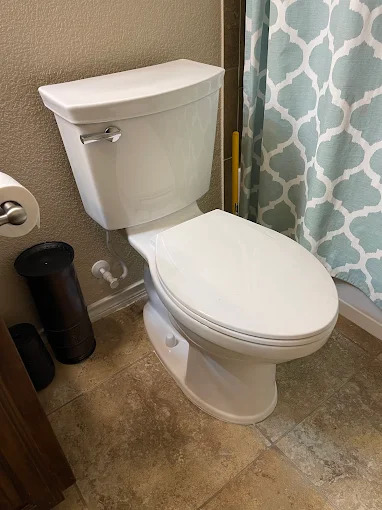
- Toilets: check for leaking around the base and tank components
- Supply lines behind toilets and vanities
- Shower/tub valves and connections near the wall
- Under-sink cabinet areas where dampness can hide for weeks
If your issue sounds like a toilet repair situation, you can explore toilet installation and repair options.
Kitchens & Water-Using Fixtures
- Sink supply lines and shutoff valves
- Faucet connections and flexible hoses
- Dishwasher connections (common overlooked source of drips)
- Water fixture repair points where fittings meet pipes
For sink-related repairs, see sink installation and repair.
Water Heater Area
- Connections on the inlet/outlet lines
- Discharge/relief components (where appropriate)
- Visible pooling around the base
If you suspect a heater-related leak, review water heater installation and related tankless water heater installation services.
Where to Look in Slab & Underground Areas
For many properties in the Dallas-Fort Worth region, the hardest leaks are the ones you can’t see. Hidden water leak detection often involves understanding how leaks behave beneath floors and in buried lines.
Concrete Slab Zones
- Under-slab areas where water travels beyond the initial leak point
- Perimeter regions where plumbing runs can intersect
- Crack patterns that may align with movement or moisture pathways
If you’re dealing with potential slab leak detection, Mainline Plumbing can help with slab leak services and targeted slab leak repair.
Underground Water Lines
- Water line routes from the meter to the home or building
- Transitions where lines change direction or materials
- Low spots where water can pool and travel
When you need water line leak repair support, professional confirmation matters—because repairs may differ depending on where the leak truly originates.
Main Drain & Sewer-Related Areas
- Main drain routes that can affect multiple fixtures
- Clogging vs. leaking symptoms that can be mistaken for each other
If the “leak” might actually be a drainage issue, explore drain cleaning and jetting or professional drain cleaning options.
How Techniques Help Pinpoint Location
Minimal invasion depends on using investigative steps that help you get to the root cause. While every situation differs, the approach generally involves narrowing down the source efficiently—then moving to repair.
| Step in the Process | What It Helps Confirm | Why It Reduces Unnecessary Damage |
|---|---|---|
| Symptom review & isolation | Which system is most likely involved (water supply vs. fixtures vs. drainage) | Prevents chasing the wrong line |
| Targeted inspection in likely areas | Where moisture, pressure changes, or fixture behavior suggests a leak | Focuses attention where the leak is most probable |
| Verification before repair | Confirms the location so repairs are more direct | Minimizes cut-and-repair cycles |
| Targeted leak repair planning | Chooses the right repair approach for the confirmed source | Reduces time and disruption |
If you’re searching for answers, Mainline Plumbing provides leak detection and repair with a focus on identifying the source before making repairs.
Common Misdiagnoses to Avoid
Some leaks can be mistaken for other issues—especially when symptoms overlap. Avoiding misdiagnosis is a big part of minimizing invasion.
- Assuming every damp spot is a supply leak (it could be a drainage issue)
- Replacing fixtures before locating the leak (the true cause may be elsewhere)
- Ignoring “small” signs (minor leaks can create larger damage pathways)
- Not checking surrounding connections (water often travels farther than you expect)
- Confusing toilet symptoms with a toilet-only problem (base, supply line, and adjacent fittings can contribute)
If your situation involves suspected hidden water leak detection or underground leak detection, professional pinpointing helps ensure you’re repairing the right thing.
When to Call for Emergency Leak Repair
Some signs call for faster action. Consider contacting Mainline Plumbing right away if you notice:
- Water actively leaking or rapidly worsening
- Large damp areas, pooling water, or rising moisture
- Signs of damage to walls, floors, or nearby structures
- A sudden drop in performance from a plumbing system
- Any situation where water intrusion could spread
Get help fast from Mainline Plumbing
For emergency leak repair and professional plumbing leak detection, call (817) 305-1313 or visit our services.