
Leak Detection Safety Tips to Prevent Water Damage
Simple, practical steps for homeowners and businesses to spot plumbing leak risks early—before they turn into costly water damage.
What to Do First When You Suspect a Leak
If you notice damp spots, a musty smell, unexpected water use, or low water pressure, act quickly. Early intervention can reduce the chance that a small leak becomes hidden water damage behind walls, under floors, or in slab foundation areas.
1) Reduce risk immediately
- Stop the source if you can: Turn off the nearest shutoff valve to the affected fixture or area.
- Prevent slip hazards: Keep floors clear and place absorbent towels where safe.
- Keep electrical areas dry: Avoid touching wet surfaces near outlets or wiring.
2) Document what you see
- Take photos of damp areas, discoloration, or water trails.
- Note when it started and whether it changes with water use.
- If possible, check whether the issue occurs during showers, toilets, dishwashing, or irrigation.
Common Signs of Hidden Water Leaks
Many leaks are not obvious at first. Hidden water leak detection often begins with patterns—how water behaves and where moisture appears.
Residential warning signs
- Stains or bubbling paint on ceilings, walls, or near baseboards
- Musty odors that return even after cleaning
- Warped flooring or soft spots in drywall
- Toilet leaks (water running, ghost flushing, or persistent dampness)
- Low hot water or inconsistent temperatures (sometimes linked to water heater issues)
Commercial warning signs
- Unexpected increases in water bills
- Moisture in restrooms, break rooms, or utility areas
- Clogging that worsens over time (may point to drainage issues)
- Reduced system performance during peak usage
Safe DIY Checks (Without Making It Worse)
There are a few safe steps you can take while waiting for professional leak detection services—without damaging finishes or widening the problem.
Check fixtures and visible plumbing
- Inspect supply lines under sinks and behind toilets for dampness.
- Look for water around faucet connections and shutoff valves.
- If a toilet is leaking, avoid over-tightening parts—identify the issue and let a plumber repair it.
Use a simple, low-risk water use test
- Turn off all water inside and outside the property.
- Watch the water meter for movement (if you have access and it’s safe).
- Record what you observe and when it happens.
When to Call Emergency Leak Repair
Some situations should be treated as urgent. Calling a professional quickly can limit damage to flooring, subfloors, insulation, and foundation materials.
Call for emergency leak repair if you notice:
- Active spraying, pooling, or fast-spreading moisture
- Water near electrical components or outlets
- Major slab or under-slab moisture signs (cracks, persistent dampness, or recurring wet areas)
- A sudden, unexplained jump in water usage
Need leak detection help right away?
Mainline Plumbing provides professional leak detection and leak repair for homes and businesses across Dallas–Fort Worth.
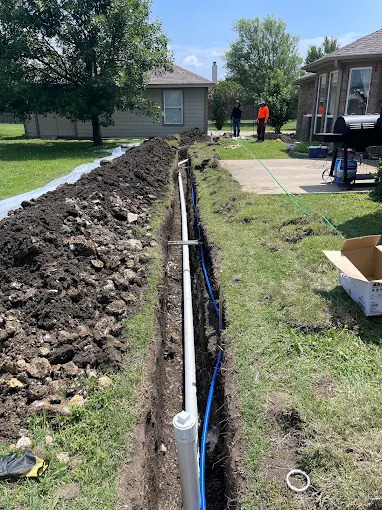
Underground Leak Detection Safety Tips
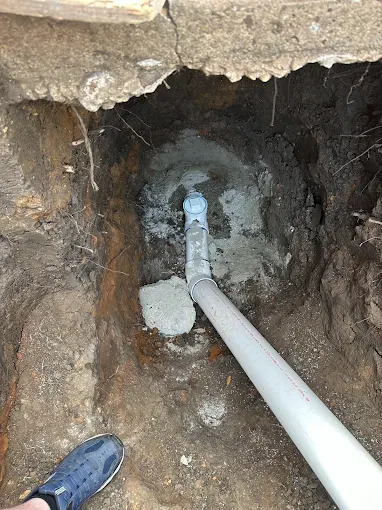
Underground leak detection can be especially challenging because leaks may occur under concrete slabs or behind walls where you can’t see water flow. Safety is critical—both for people and for property.
What to keep in mind
- Don’t guess with excavation: Digging without locating the leak can damage pipes and increase repair costs.
- Watch for foundation concerns: Persistent dampness near cracks can be linked to slab-related issues.
- Protect landscaping and access points: If water is surfacing outdoors, avoid creating muddy pathways or unstable ground.
Related service options
Water Damage Prevention: Reduce the Time a Leak Goes Unfixed
Even a slow leak can damage building materials. The goal is to reduce the time between discovery and repair—especially for hidden leaks.
Prevent damage while you wait
- Increase ventilation in affected areas to reduce moisture buildup (only if it’s safe).
- Remove or protect belongings near damp zones.
- Monitor changes (does the moisture expand after certain usage times?).
Don’t ignore “small” issues
If you notice a minor drip under a sink or around a fixture, treat it as a potential leak. Small plumbing leak repair needs can escalate when water travels behind walls or beneath floors.
Leak Repair Safety: What to Expect From a Professional
Professional plumbing leak repair is more than “fixing a spot.” It’s about finding the source, preventing recurring leaks, and minimizing collateral damage to finished surfaces.
How safe repair typically happens
- Accurate diagnosis before opening walls or making invasive repairs.
- Controlled access to affected plumbing areas to limit disruption.
- Proper testing after repairs to confirm the leak is resolved.
Which Service Might Match Your Leak?
Use this quick guide to identify the most relevant service category. If you’re unsure, call Mainline Plumbing and we’ll help you choose the next step.
| What you’re dealing with | Common symptoms | Most relevant service |
|---|---|---|
| General plumbing leak | Visible dampness, unexplained water use, water trails | Leak Detection & Repair |
| Slab-related leak | Moisture near cracks, recurring damp spots, under-slab concerns | Slab Leak Detection |
| Toilet leak | Running toilet, leaking around base, ghost flushing | Toilet Installation & Repair |
| Water fixture or connection issue | Drips at faucets, sink connections, inconsistent flow | Water Fixture Replacement & Repair |
| Sink plumbing issue | Leaks at sink supply lines, drainage troubles | Sink Installation & Repair |
| Drain/pipe backup | Slow drains, recurring clogs, gurgling sounds | Drain Cleaning & Jetting |
| Water heater performance concern | Inconsistent hot water, unusual system behavior | Water Heater Installation |
Preventive Habits to Lower Leak Risk
While you can’t prevent every plumbing leak, you can reduce the chances of hidden water leak development and catch problems sooner.
Simple maintenance habits
- Inspect under-sink areas periodically for moisture or corrosion.
- Check toilet performance (listen for running water and watch for damp floors).
- Look for early signs (paint bubbles, discoloration, soft drywall).
- Keep drainage flowing to avoid pressure buildup that can stress plumbing.
Leak Detection FAQ (Quick Answers)
How do professionals perform water leak detection?
Professional leak detection typically starts with diagnosing the most likely source, then using appropriate tools and inspection methods to locate hidden leaks with minimal disruption before repair.
What’s the difference between leak detection and leak repair?
Leak detection focuses on finding the source. Leak repair addresses the problem once the source is confirmed—aiming to stop recurrence and protect surrounding materials.
Is hidden water leak detection worth it?
Yes—hidden leaks can damage floors, walls, and slabs over time. Identifying the source early can reduce water damage and avoid unnecessary demolition.
Do you handle residential and commercial plumbing services?
Mainline Plumbing supports plumbing needs for both residential and commercial properties in Dallas–Fort Worth, including professional leak detection and repair.
Get help with leak detection and leak repair
If you suspect a leak, don’t wait for water damage to spread. Mainline Plumbing can help you take the safest next step.