
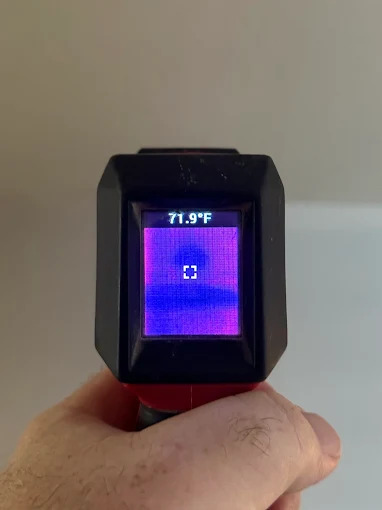
How Often Should Commercial Plumbing Be Inspected and Maintained
Mainline Plumbing helps commercial properties reduce downtime and costly repairs through proactive inspections, leak detection, and targeted plumbing maintenance across the Dallas-Fort Worth area.
Commercial plumbing systems work harder than most people realize—higher usage, more fixtures, longer pipe runs, and complex building layouts. Without regular inspections and maintenance, small issues like slow drips, recurring clogs, or pressure changes can turn into hidden water damage, emergency repairs, and tenant complaints.
What Impacts Commercial Plumbing Maintenance Frequency
There isn’t one universal schedule for every property. Maintenance frequency often changes based on how your system is used and how it’s installed. Consider these factors:
- Building type and occupancy: Restaurants, offices, retail centers, and multifamily properties have different demand patterns.
- Fixture count and traffic: More toilets, sinks, and restrooms typically means more wear and higher clog risk.
- Water quality: Sediment and mineral buildup can impact valves, fixtures, and water heaters; it may also contribute to pressure and flow problems.
- Age of plumbing: Older systems are more susceptible to pipe leaks, hidden failures, and corrosion.
- Previous leaks or repairs: Recurring problem areas usually require closer monitoring.
- Drain usage: Grease, debris, and improper disposal can increase the need for commercial drain cleaning.
- Ground and foundation conditions: Underground piping and slab areas can require additional attention for hidden water leak detection.
Recommended Baseline Inspection Schedule
Use this as a starting point for a practical commercial plumbing plan. Adjust based on usage, seasonality, and any known problem areas.
| Inspection / Maintenance Area | Typical Frequency (Baseline) | What We Look For |
|---|---|---|
| Plumbing system inspection | Every 6–12 months | Visible leaks, worn components, loose connections, unusual pressure or flow issues, and early warning signs. |
| Leak detection and water leak repair readiness | As needed + during scheduled checkups | Hidden water leaks, plumbing leak detection in active areas, and confirmation of the leak source before repair. |
| Commercial drain cleaning / main drain focus | Every 3–12 months (usage-dependent) | Slow drainage, recurring clogs, buildup, and main drain performance. |
| Toilet and restroom fixture checks | Quarterly to semiannual | Running toilets, leaky seals, flushing performance, and fix-or-replace decisions. |
| Water heater / tankless service review | Every 12 months (or per manufacturer) | Heating performance, safety checks, and readiness for replacement planning. |
| Water filtration / water quality diagnostics | As needed; review at least annually | Filter condition, signs of scale/sediment issues, and whether upgrades or replacements are warranted. |
| Slab and underground leak detection (if applicable) | When symptoms appear; proactively if history exists | Under-slab or underground leak sources, including slab water leak detection and underground leak detection. |
Signs Your Commercial Plumbing Needs Immediate Service
Don’t wait for a scheduled inspection if you notice symptoms that can indicate active leaks or failing drainage. Call a commercial plumber promptly if you see:
- Sudden or unexplained increases in water usage
- Water stains on ceilings, walls, or near fixtures
- Damp flooring, musty odors, or recurring wet spots
- Slow drains, frequent clogs, or backups
- Running toilets or leaky restroom fixtures
- Low hot water, inconsistent temperatures, or heater performance issues
- Cracks or changes around foundation areas (especially when paired with moisture)
Commercial Drain Cleaning: How Often?
Drain cleaning frequency depends heavily on what your property drains and how often. A baseline plan helps you avoid emergency drain cleaning and reduce downtime.
Common usage drivers
- Restaurants and food service: Grease and solids can lead to faster buildup.
- Retail and office restrooms: Soap, hair, paper, and routine wear can still cause recurring clogs.
- High-traffic buildings: Increased usage accelerates drain performance issues.
What routine drain service typically addresses
- Commercial drain cleaning to clear buildup before it becomes a backup
- Drain jetting / hydro jetting to restore flow where appropriate
- Main drain repair planning when repeated cleanings don’t solve the root cause
- Drain pipe repair or drain line repair if a blockage is caused by damage rather than buildup
Leak Detection and Water Line Inspection Schedule
Water leaks don’t always announce themselves. In many buildings, the most expensive problems come from hidden leaks under slabs, behind walls, or in underground piping. A schedule that combines routine checks with symptom-based diagnostics helps catch issues before they escalate.
When to increase leak detection efforts
- Recurring “mystery” water loss
- Moisture appearing in new locations
- Frequent repairs in the same area
- Known high-risk zones (older lines, slab areas, or past underground issues)
What professional leak detection typically includes
- Confirming the source before starting leak repair
- Identifying whether the issue is a visible plumbing leak or hidden water leak detection scenario
- Helping with next steps for water leak repair and related plumbing leak repair
Toilet and Fixture Maintenance: How Often?
Restrooms are among the most frequently used plumbing areas in commercial buildings. Small issues—like a flapper that won’t seal fully—can waste water and create persistent complaints.
| Fixture Area | Recommended Check Frequency | Common Problems |
|---|---|---|
| Toilets | Quarterly to semiannual | Running toilets, leaky seals, weak flush performance, and water waste. |
| Sinks and faucets | Semiannual | Drips, worn cartridges, slow drains, and fixture leaks. |
| Water fixtures (showers, fixtures, valves) | Annual | Pressure inconsistencies, worn parts, and valve leaks. |
Water Heater and Tankless Maintenance Intervals
Commercial hot water reliability affects everything from customer comfort to operational efficiency. Maintenance intervals should align with equipment type and usage patterns.
- Tankless water heaters: Plan for annual service checks to support consistent performance.
- Conventional water heaters: Schedule periodic reviews to reduce unexpected failures.
- System-wide water conditions: If scale or sediment is present, filtration and water quality diagnostics can be important.
Water Filtration and Water Quality Maintenance
Water quality impacts plumbing longevity and fixture performance. If you’re dealing with scale buildup, clogged components, or reduced efficiency, filtration may be part of the solution.
When to check filtration more often
- Noticeable changes in water taste or clarity
- Reduced water flow at fixtures
- Frequent maintenance on valves or equipment
- Signs of mineral buildup
Slab Leaks and Underground Plumbing Inspection Frequency
Underground and slab plumbing issues require careful attention because they can be difficult to detect until damage has already occurred. For Dallas-Fort Worth properties with slab areas or underground lines, inspection frequency should be driven by risk and symptoms.
Common slab/underground leak indicators
- Moisture near foundation areas or underfloor spaces
- Persistent wet spots or recurring dampness
- Changes in water usage without a clear cause
- Cracks or surface movement paired with moisture
Building a Simple Commercial Plumbing Maintenance Plan
The most effective plan is easy to follow, documented, and responsive. Here’s a practical approach you can use to stay ahead of plumbing issues.
- Set baseline intervals: Use a 6–12 month inspection cycle with drain checks based on usage.
- Track recurring issues: If a restroom or drain line keeps failing, schedule diagnostics sooner.
- Define “report immediately” triggers: Water stains, running toilets, backups, and unexplained water use.
- Prioritize high-risk zones: Underground or slab areas, plus locations with repeated repairs.
- Plan repairs in phases: Address leak repair and drain repair needs promptly to prevent secondary damage.
FAQs About Commercial Plumbing Inspections
How often should we inspect commercial plumbing?
A common baseline is every 6–12 months, with additional checks based on building usage, past repairs, and specific risks (like underground lines or recurring drain issues).
Clues can include unexplained water use, damp areas, musty odors, or recurring issues in specific locations. Professional plumbing leak detection helps confirm the source before repair.
What does commercial drain cleaning prevent?
Routine drain cleaning helps prevent backups, slow drainage, and repeated emergency drain cleaning caused by buildup. If blockages keep returning, diagnostics may be needed for drain pipe repair or drain line repair.
When should we call an emergency commercial plumber?
Call right away if you have active leaks, overflowing fixtures, major backups, or signs of hidden water leak damage. Quick response can reduce downtime and limits repair scope.
Schedule a Commercial Plumbing Inspection
If you’re planning your next inspection cycle—or you’re dealing with leak detection, leak repair, or commercial drain issues—Mainline Plumbing is ready to help across the Dallas-Fort Worth area.
Recommended next steps: review leak detection and repair if you suspect a water leak, or drain cleaning and jetting for persistent drainage problems.