
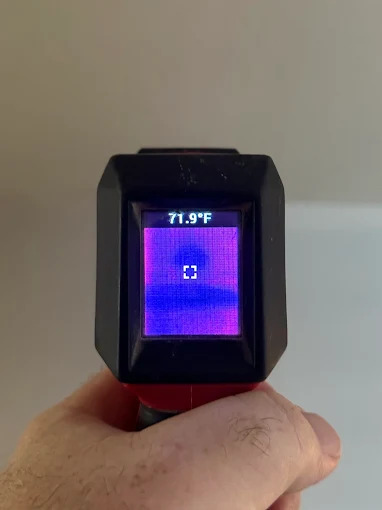
Commercial Plumbing Maintenance Frequency to Prevent Downtime
Serving the Dallas-Fort Worth area, Mainline Plumbing helps commercial facilities reduce unexpected leaks, drain failures, and water system problems with practical maintenance and professional plumbing leak detection.
What you’ll get from this guide
- Recommended maintenance frequency by risk level
- Which inspections catch hidden issues early
- How to plan for leak detection, drain cleaning, and repairs
Table of Contents
- Why Maintenance Frequency Matters for Commercial Downtime
- Common Commercial Plumbing Failure Points
- Commercial Plumbing Maintenance Frequency: A Practical Schedule
- Leak Detection Routine: How Often to Check
- Drain Cleaning & Drain Line Maintenance Frequency
- Water Heaters & Tankless Systems: Maintenance Frequency
- Backflow Testing & Water Filtration: Maintenance Frequency
- Build an Emergency Leak Repair Plan
- FAQ: Commercial Plumbing Maintenance Frequency
- Get Help From Mainline Plumbing
Why Maintenance Frequency Matters for Commercial Downtime
For commercial properties, plumbing issues rarely stay “small.” A slow leak can become a hidden water leak that damages walls, ceilings, foundations, and inventory. Clogged drains can halt operations, trigger backups, and create sanitation concerns. The right commercial plumbing maintenance frequency reduces downtime by catching problems before they escalate.
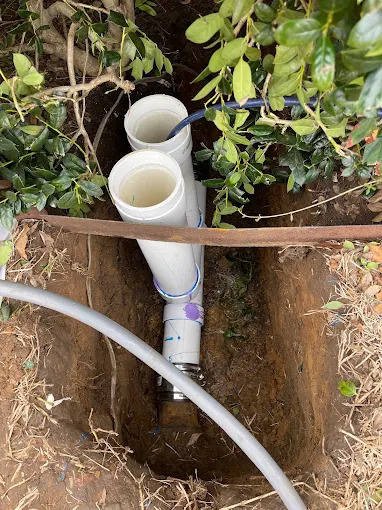
Rule of thumb: The higher the consequences of failure (water damage, business interruption, code compliance), the more frequently you should inspect and service.
Common Commercial Plumbing Failure Points
Even well-run facilities face wear and tear. These are the areas where maintenance frequency makes the biggest difference:
| Failure Point | What Usually Goes Wrong | Why It Causes Downtime |
|---|---|---|
| Hidden water lines | Pipe leaks, under-slab issues, deterioration in concealed runs | Water damage, mold risk, shutdowns for repairs |
| Drains & main lines | Build-up, grease, debris, root intrusion, damaged drain pipe | Backups, blocked restrooms, operational stoppage |
| Toilets & fixtures | Clogs, running or leaking toilets, worn internal parts | Restroom downtime and sanitation complaints |
| Water heaters | Scale, inefficiency, failing components, leaks | No hot water for staff, guests, or processes |
| Filtration & backflow systems | Clogging, improper operation, required testing lapses | Water quality issues and compliance risk |
Commercial Plumbing Maintenance Frequency: A Practical Schedule
The schedule below is designed to help you prevent downtime by aligning service frequency with typical risk. Your exact plan may vary based on building age, occupancy, and usage patterns—but this provides a strong baseline.
| System / Task | Suggested Frequency | Best Time to Act |
|---|---|---|
| Professional plumbing leak detection | Quarterly to semi-annually (higher risk: more often) | Before busy seasons and after noticeable usage spikes |
| Leak repair follow-ups | As soon as a leak is confirmed; re-check after repair | Immediately to prevent repeat damage |
| Drain cleaning (including jetting as needed) | Typically 6–12 months for active sites | Before recurring slow drains/backups become frequent |
| Main drain / sewer line inspections | Annually or when issues appear (backs-ups, odors, recurring clogs) | At first signs of change in flow |
| Toilet inspection & repair | Monthly spot checks; repairs as issues arise | Immediately when running/leaking toilets are reported |
| Water heater service (including tankless) | Annual maintenance; component checks more often if heavily used | At start of slow periods to avoid service interruption |
| Water filtration maintenance | As recommended by the system and usage; typically periodic cartridge/system checks | Before flow drops or water quality complaints increase |
| Backflow testing | Per local requirements and facility schedule | Plan ahead to avoid compliance lapses |
| Underground / slab leak checks (when indicated) | Whenever you suspect moisture, cracking, or unexplained water use | Early detection to limit demolition and repair scope |
Tip: If you track utility usage and receive maintenance tickets, you can often identify patterns that justify increasing frequency for leak detection, drain cleaning, or water heater maintenance.
Leak Detection Routine: How Often to Check
Leak detection is most valuable when it’s proactive. Hidden water leak detection can be difficult to notice until damage is visible, especially with underground leak detection or under-slab conditions.
When to increase leak detection frequency
- Unexplained changes in water usage
- Recurring wet spots, damp flooring, or ceiling discoloration
- New cracking, settling, or foundation concerns
- After plumbing repairs—so you can confirm the problem is fully resolved
If you’re trying to choose between “wait and see” and “test early,” professional plumbing leak detection helps you confirm the source and plan the right leak repair method—without unnecessary guesswork.
Drain Cleaning & Drain Line Maintenance Frequency
Clogged drain cleaning doesn’t just affect one sink—it can impact main drain flow, sewer performance, and restroom availability. Regular service reduces buildup and helps prevent broken drain repair scenarios caused by excessive stoppages.
How often should commercial drains be cleaned?
Many commercial sites benefit from scheduling drain cleaning about every 6–12 months, with more frequent service for high-usage operations. If your facility experiences recurring clogs, slow drainage, or backups, it’s time to move from reactive to scheduled maintenance.
Maintenance approach: Combine routine drain cleaning with targeted diagnostics when symptoms change—this helps avoid repeated downtime from the same underlying cause.
Common drain issues that benefit from scheduled service
- Recurring clogs across multiple fixtures
- Gurgling sounds and slow draining
- Backups that affect restrooms or service areas
- Signs that require drain pipe repair or drain line repair
Water Heaters & Tankless Systems: Maintenance Frequency
Water heater failures create immediate operational problems. Whether you have conventional systems or tankless water heater installation, planned service helps reduce unexpected downtime and supports consistent hot water.
Recommended maintenance timing
- At least annually: professional checks and service for water heaters
- More often if heavily used: facilities with high daily demand may require tighter inspection intervals
- As-needed: if you notice leaks, inconsistent temperatures, or unusual noises
When to call for service sooner
- Any sign of leaking around the unit
- Sudden hot water shortages
- Temperature swings that disrupt operations
- Concerns that may require water heater installation or replacement planning
Backflow Testing & Water Filtration: Maintenance Frequency
For many commercial facilities, water quality and system performance depend on proper filtration and compliant backflow prevention. Scheduling the right maintenance frequency helps prevent pressure drops, reduced performance, and compliance issues.
Water filtration: keep flow and quality stable
If you use filtration systems, plan periodic inspection and filter maintenance to avoid reduced flow and performance degradation. Mainline Plumbing supports water filtration and water filter replacement needs.
Backflow testing: schedule to meet facility requirements
Backflow testing is an important part of maintaining a safe water system. If your facility needs backflow testing and repairs, get your schedule aligned early to reduce last-minute downtime.
Build an Emergency Leak Repair Plan
Even with maintenance, emergencies happen. The goal is to respond quickly, limit damage, and prevent repeat failures. A good emergency plan includes clear reporting, shutoff procedures, and a fast path to emergency leak repair.
What to include in your plan
- Who to call when a leak is reported (and how quickly)
- Where shutoff valves are located
- How you will document the issue (photos, time, locations)
- How you’ll coordinate repairs and follow-up verification
If you suspect underground leak detection issues, hidden water leak detection, or need plumbing leak repair, professional diagnostics help confirm the source so repairs can address the actual cause—not just the symptoms.
Proactive advantage: Facilities that routinely schedule leak detection and drain maintenance typically spend less time in emergency mode.
Need commercial plumbing help in Dallas-Fort Worth?
Mainline Plumbing provides professional leak detection, leak repair, drain cleaning, and commercial plumbing services to help keep your property operating smoothly.
FAQ: Commercial Plumbing Maintenance Frequency
How often should we schedule professional leak detection?
Many commercial facilities benefit from leak detection about quarterly to semi-annually, especially when risk is higher. If you notice unexplained water usage or wet areas, schedule sooner for professional plumbing leak detection and plumbing leak repair.
What’s the typical drain cleaning frequency for commercial properties?
A common baseline is every 6–12 months for active facilities. If you’re seeing recurring clogs or backups, increase frequency and use diagnostics so drain line repair addresses the real cause.
How quickly should we respond to a suspected hidden water leak?
As soon as possible. Hidden water leak detection helps identify the source early, which can reduce damage and help limit the scope of leak repair.
Do you handle slab leak detection and repair?
Yes. Mainline Plumbing supports slab leak detection and repair services for under-slab and foundation-related leak concerns. If you suspect slab water leak detection, contact us for evaluation.
Can you help with toilet repair for commercial restrooms?
Absolutely. If you have leaking toilets, running toilet repair needs, or clogged toilet repair issues affecting restroom availability, Mainline Plumbing can help with toilet installation and repair services.
Related Services You May Need
Leak repair & diagnostics
Drain & fixture support
Water heating & filtration
Additional plumbing repairs
Serving Dallas-Fort Worth: If you’re planning maintenance to prevent downtime, Mainline Plumbing can help you evaluate risk, schedule key services, and respond fast when leaks or drain issues appear. Call (817) 305-1313 or visit mainlineplumbingtx.com.